Visiting Angkot Wat
It has been more than a decade since I first visited Angkor Wat in Cambodia. When I was a kid, this place existed only in books, magazines, television, and movies — no internet yet during my primary school days. The last time I “saw” Angkor Wat back then was in one of Angelina Jolie’s Lara Croft movies. It felt mythical, almost unreal.
Fast forward to 2013: me and the wife finally committed to a Vietnam–Cambodia trip, and Angkor Wat was the one thing I wasn’t going to compromise on. Angkor — with Angkor Wat as its most iconic temple — was designated a UNESCO World Heritage Site (No. 668) in 1992. Around that time, I kept reading about how the site was facing growing environmental pressures: unpredictable rainfall, stronger storms, flooding, and even acid rain slowly wearing down the sandstone. It made the place feel fragile, and that sense of urgency pushed me to go see it while it still carried its full presence.
Our trip started in Vietnam, where we took a bus from Ho Chi Minh to Siem Reap. It had been raining continuously the night before — nothing dramatic, just steady rain that left the roads wet and muddy in some parts. By the time we reached the Mekong River crossing during the day, the water level was noticeably higher than usual. That, along with the Vietnam–Cambodia border crossing, became one of those small travel details that stay with you long after the trip is over.
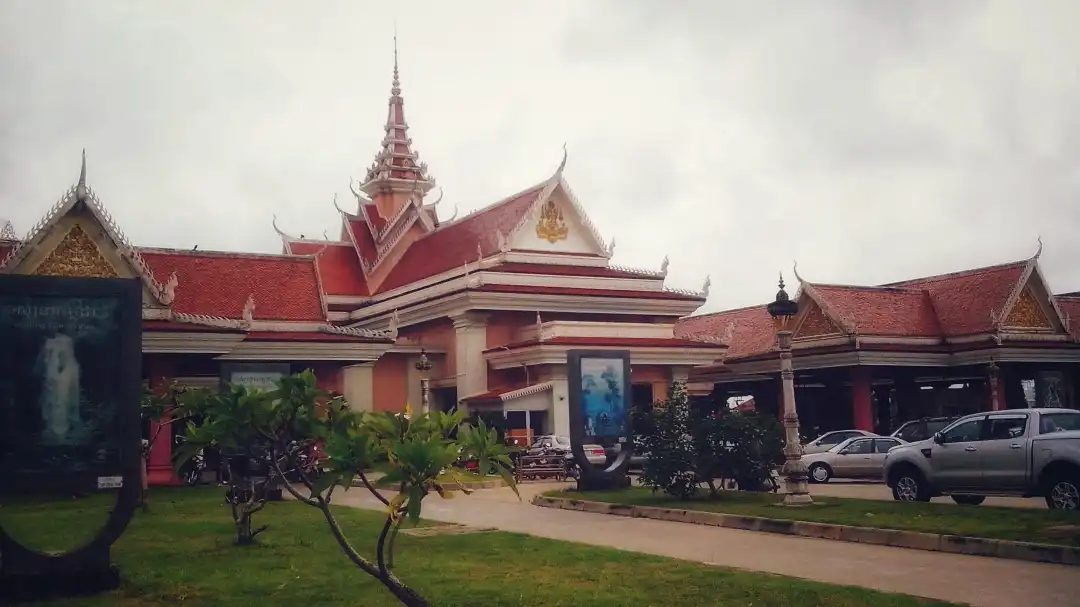
Vietnam-Cambodia Border Crossing
(cc by) Zaldy Fabia
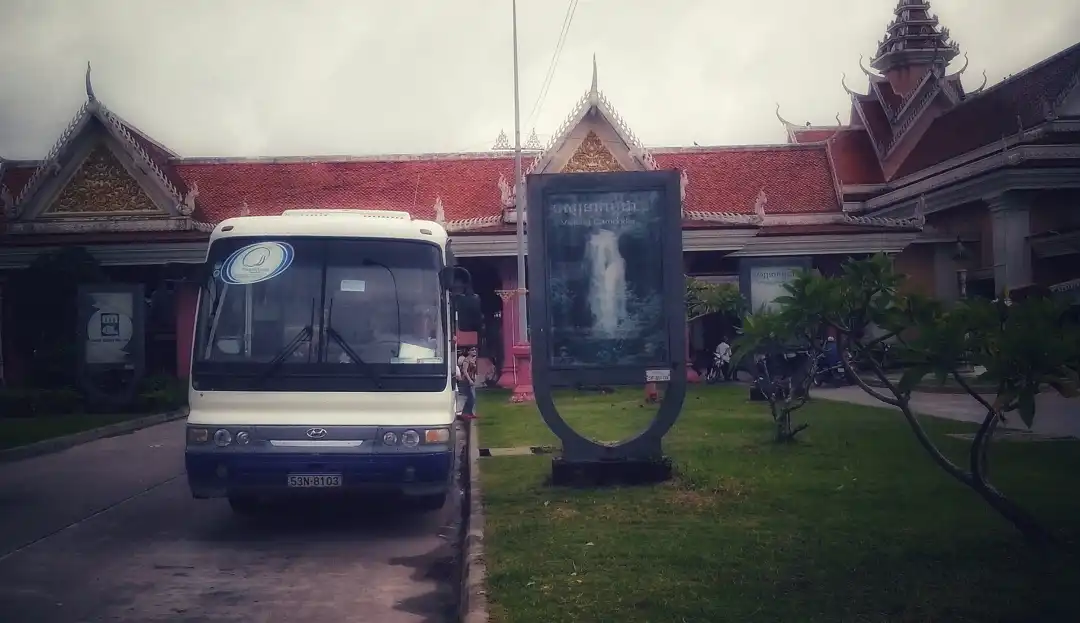
Our Bus Visiting Cambodia
(cc by) Zaldy Fabia
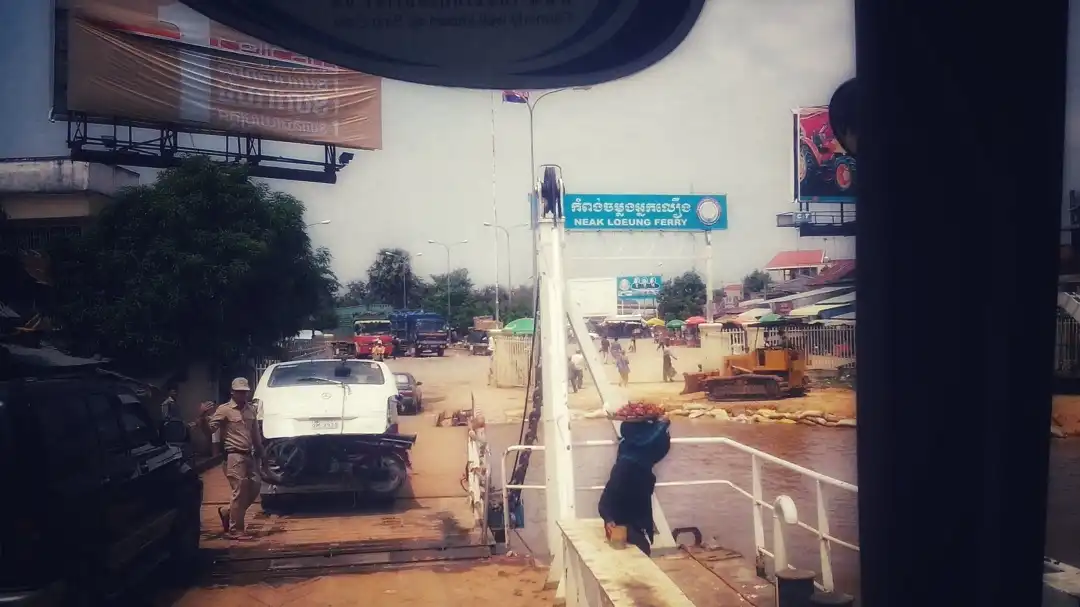
Our Bus Crossing teh Mekong River on a Ferry
(cc by) Zaldy Fabia
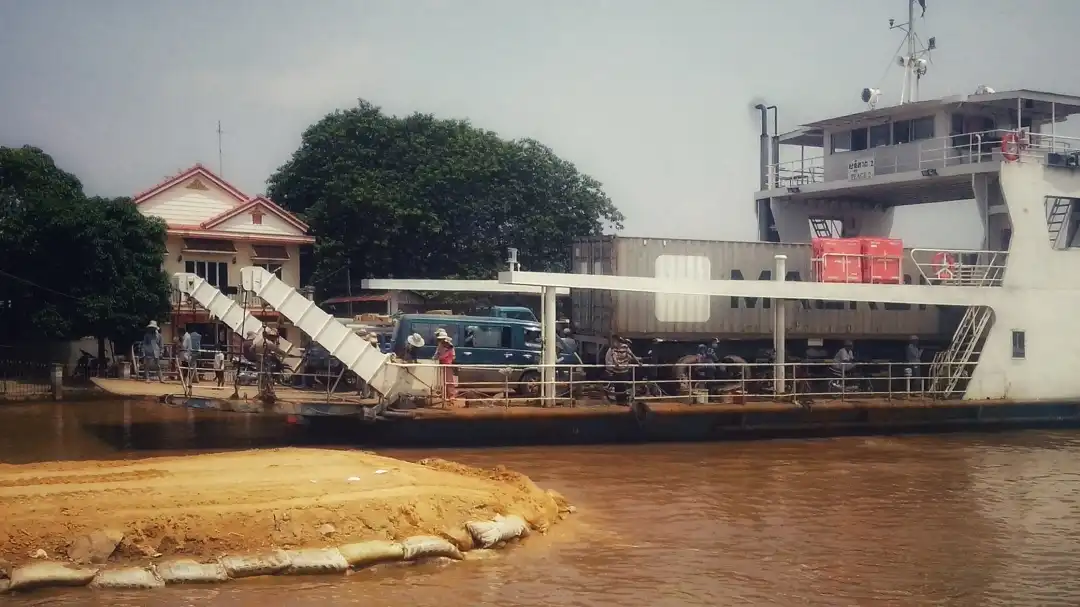
Mekong River Ferry Boat
(cc by) Zaldy Fabia
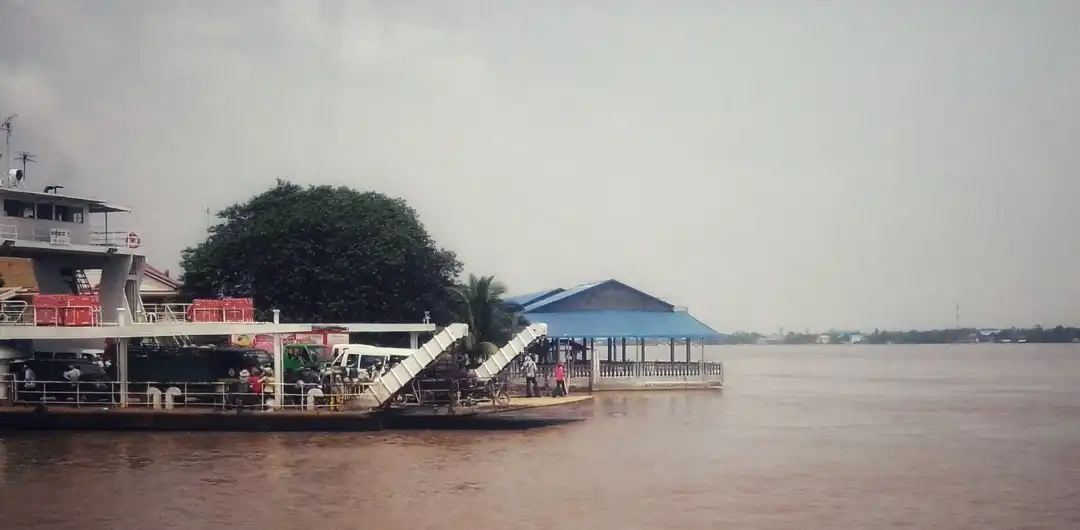
Crossing Mekong River
(cc by) Zaldy Fabia
We stayed in a small tourist inn in Siem Reap — simple, comfortable, and just a short tuktuk ride from the Angkor site entrance.
The Sihn Tourist Hotel
(cc by) Zaldy Fabia
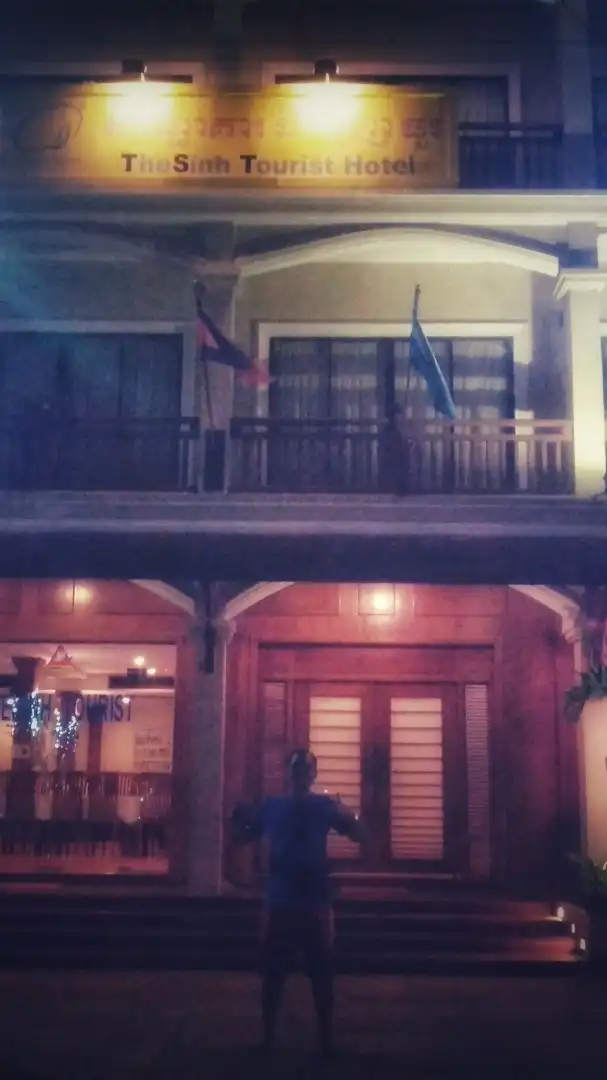
In Front of the Inn
(cc by) Zaldy Fabia
Waking up, grabbing breakfast, and heading straight into one of the most iconic places on earth felt surreal.
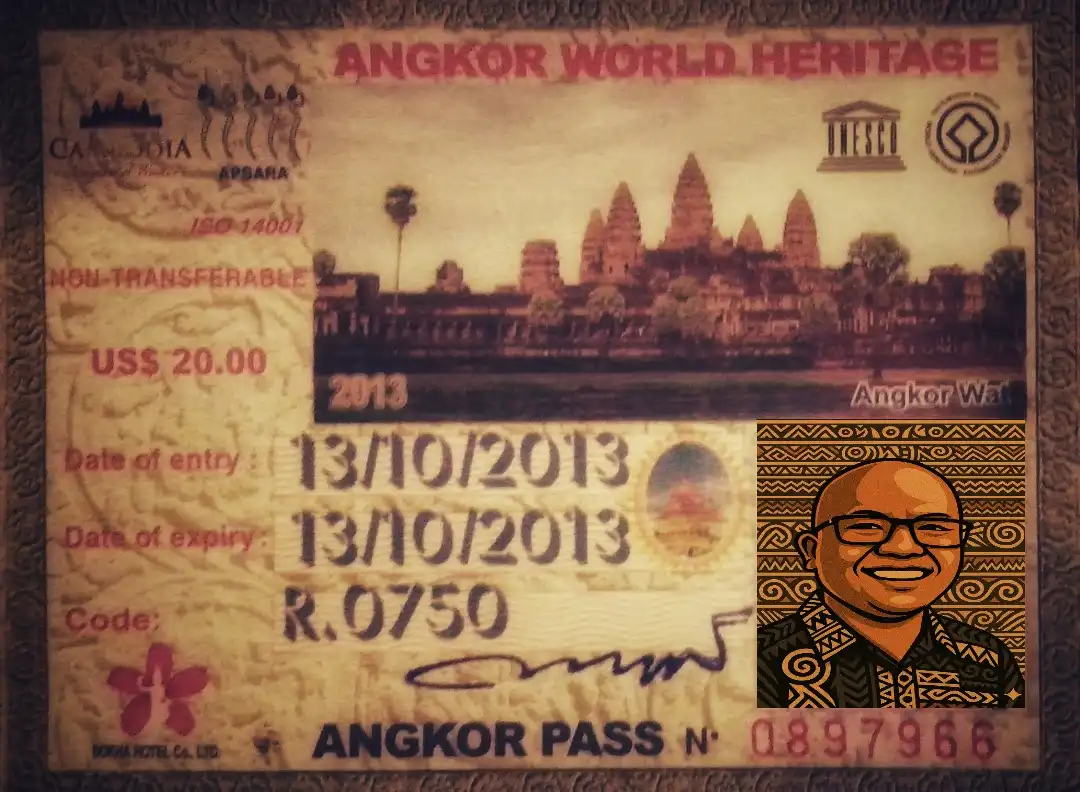
Angkor Tourist Pass (circa 2013)
(cc by) Zaldy Fabia
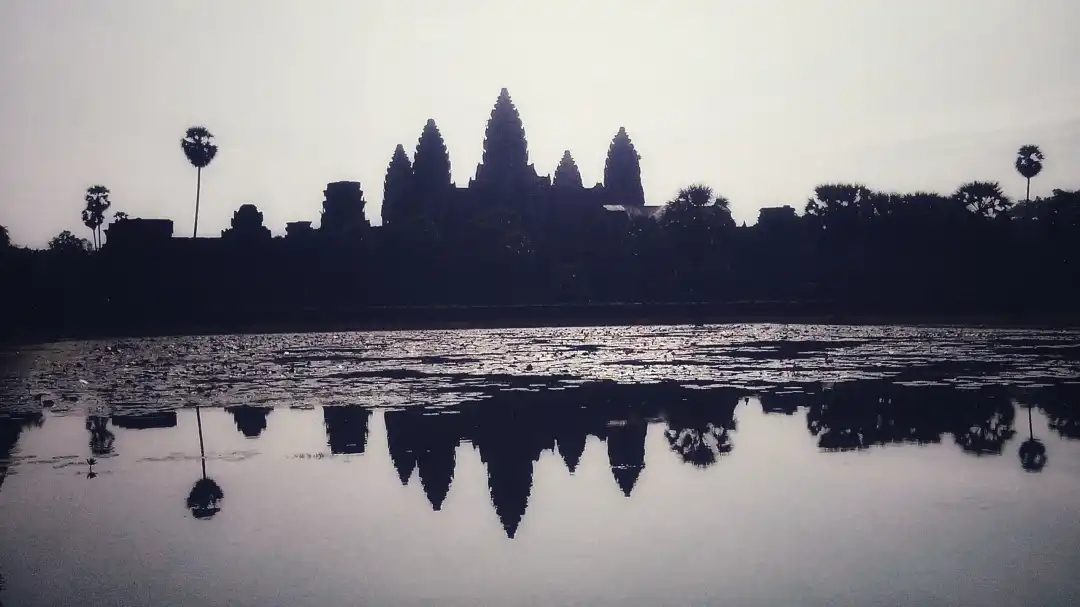
Angkor Wat in the Morning
(cc by) Zaldy Fabia
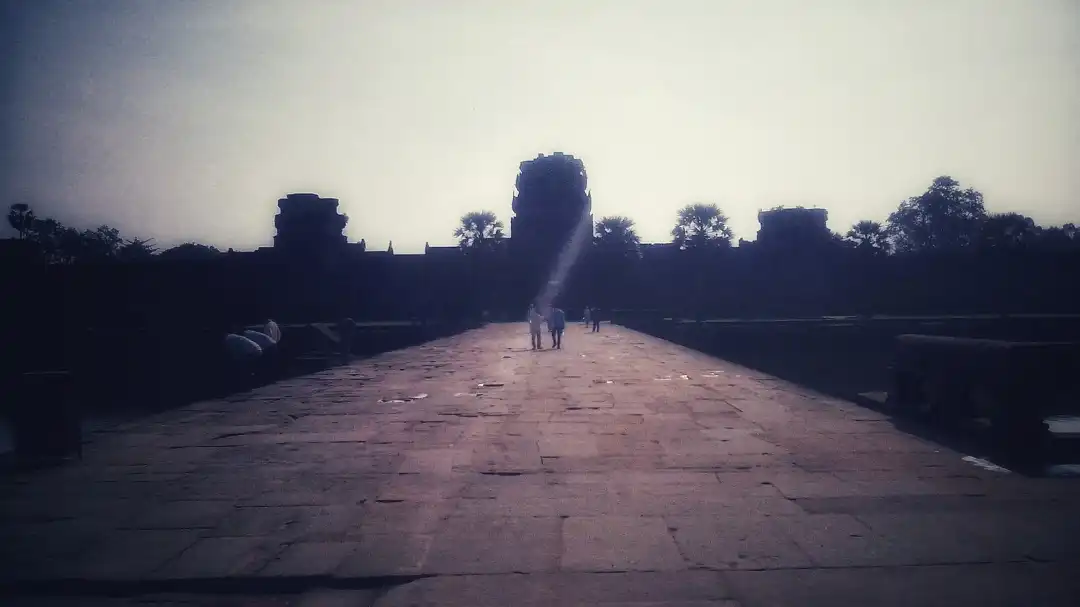
Walking Towards the Temple Entrance
(cc by) Zaldy Fabia
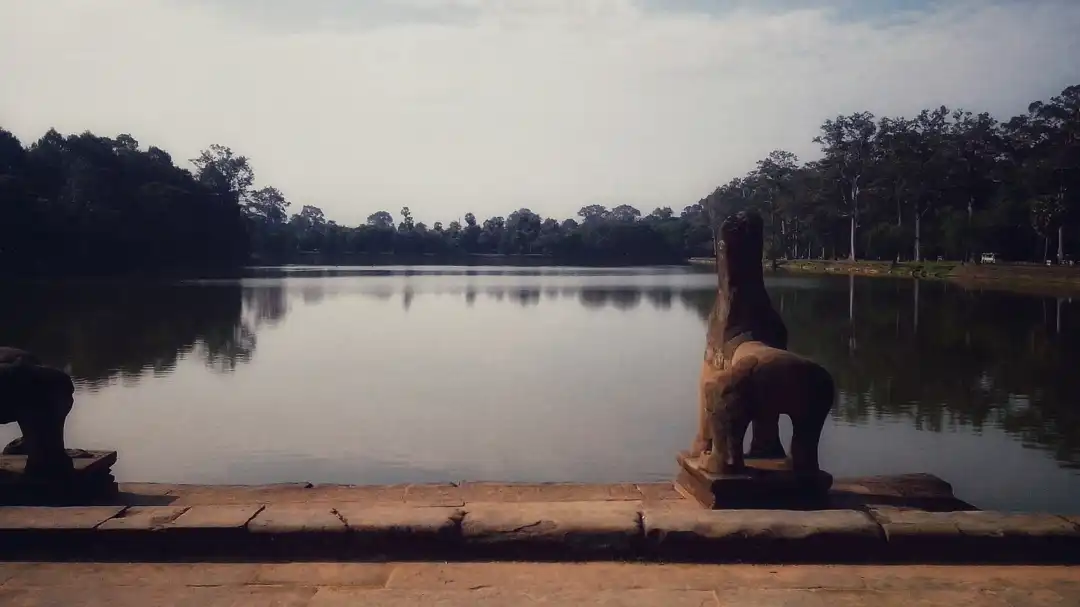
The Moat
(cc by) Zaldy Fabia
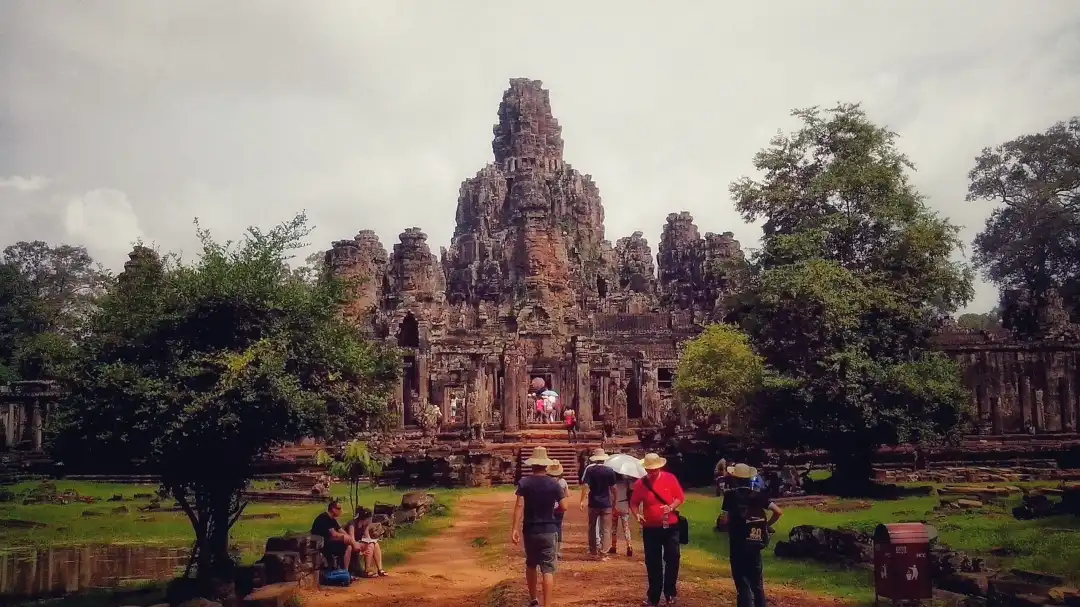
Walking Around
(cc by) Zaldy Fabia
These are the things that one can see around the temple.
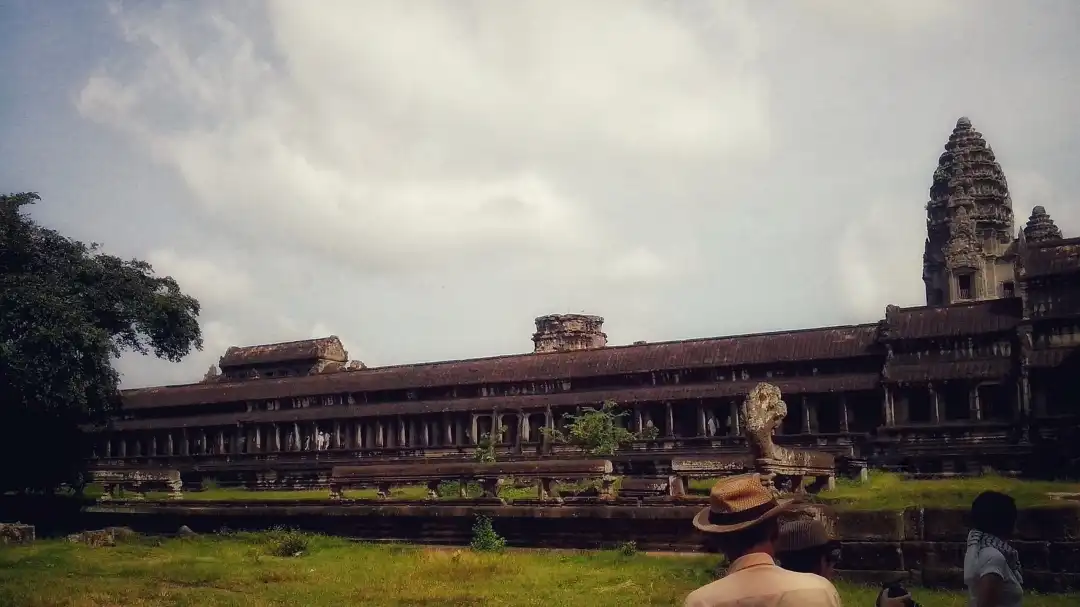
(cc by) Zaldy Fabia
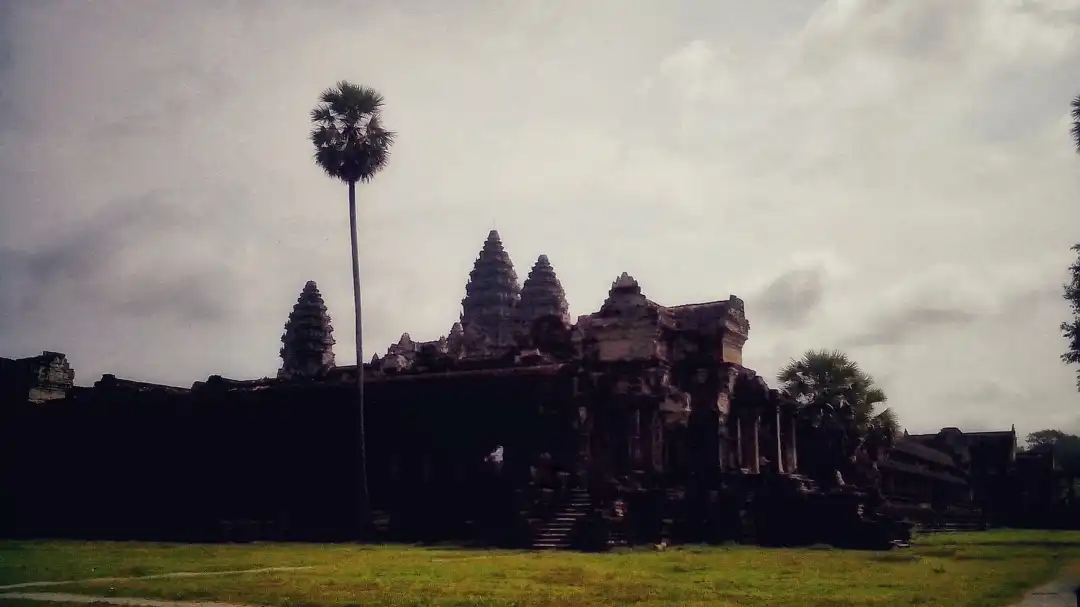
(cc by) Zaldy Fabia
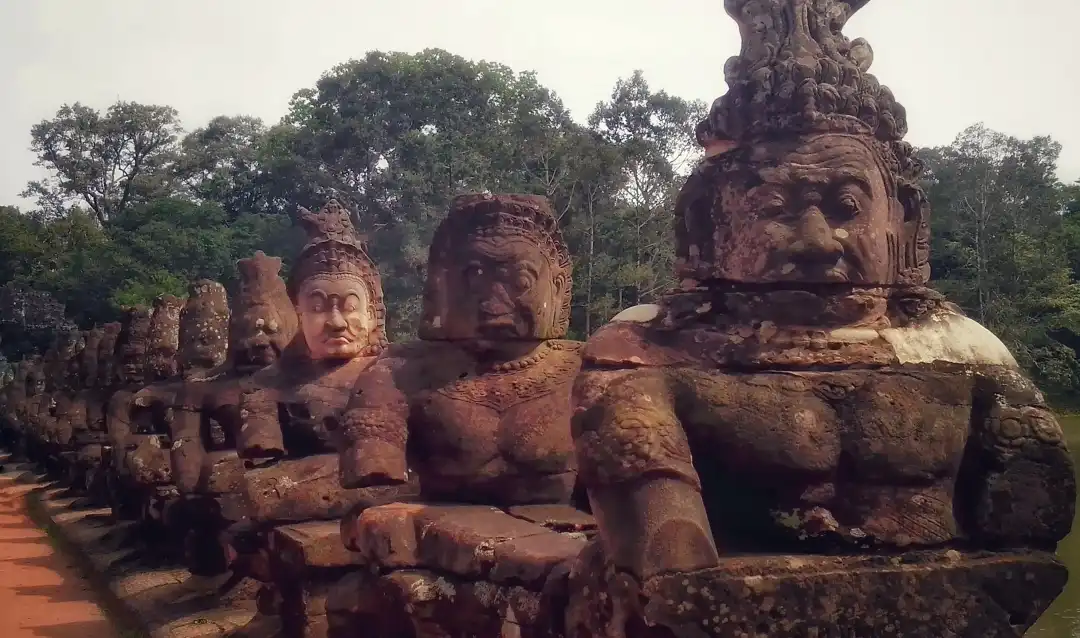
(cc by) Zaldy Fabia
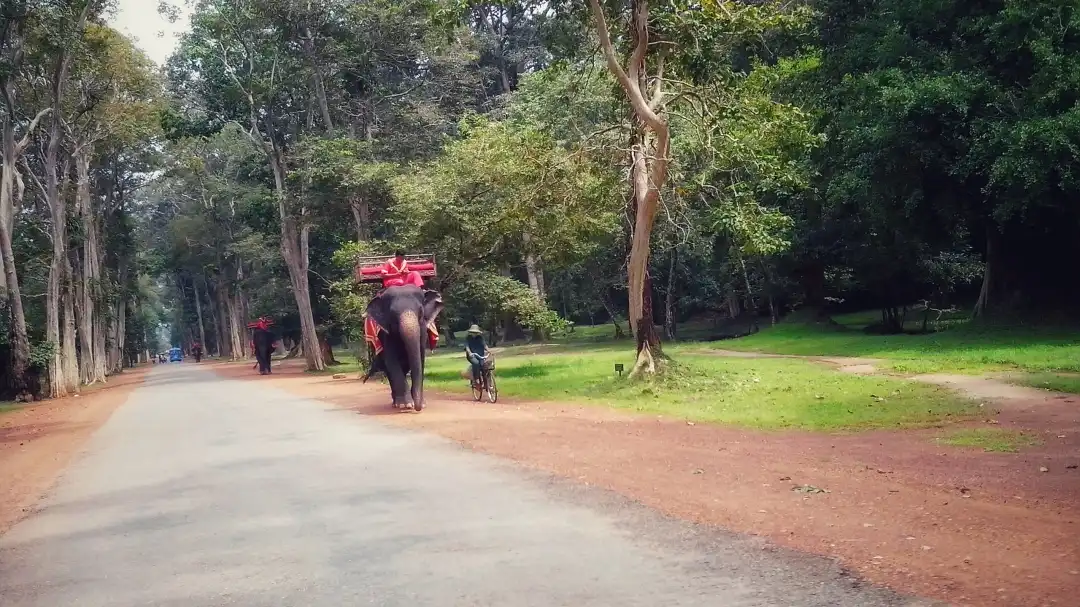
(cc by) Zaldy Fabia
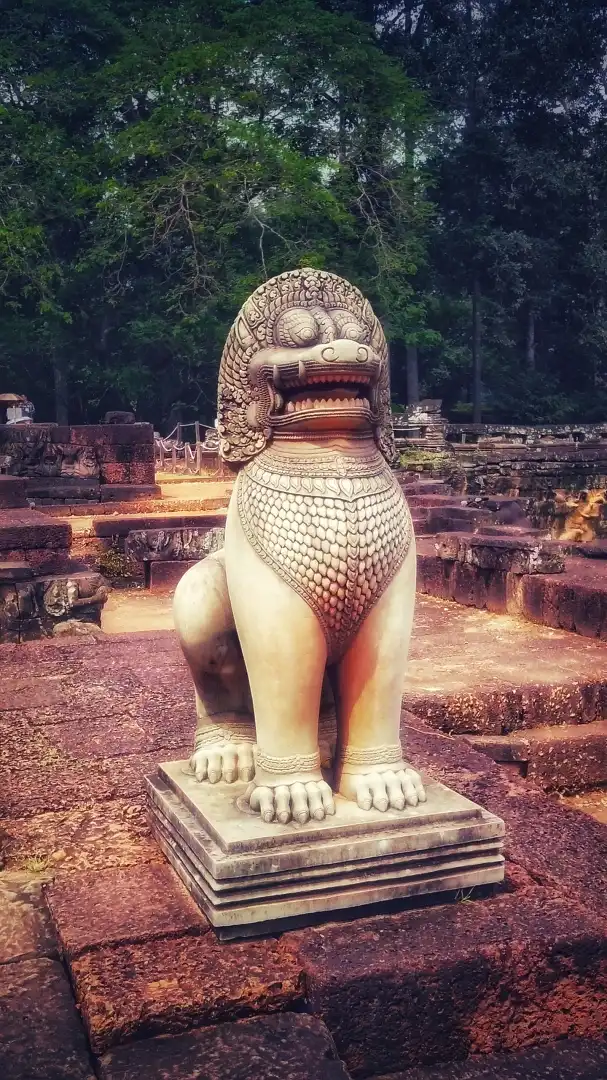
(cc by) Zaldy Fabia

(cc by) Zaldy Fabia
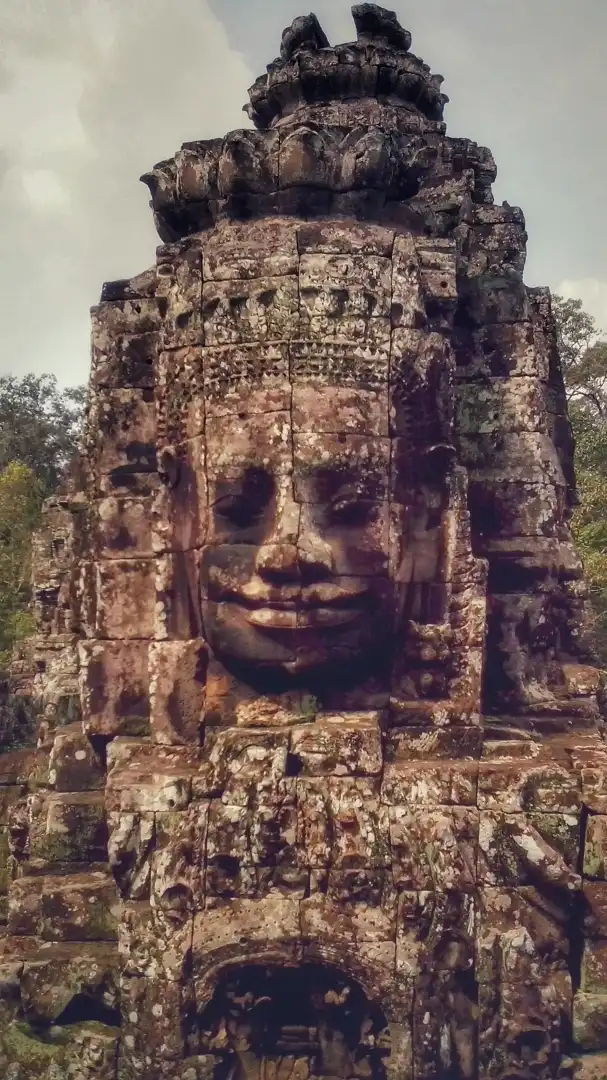
(cc by) Zaldy Fabia
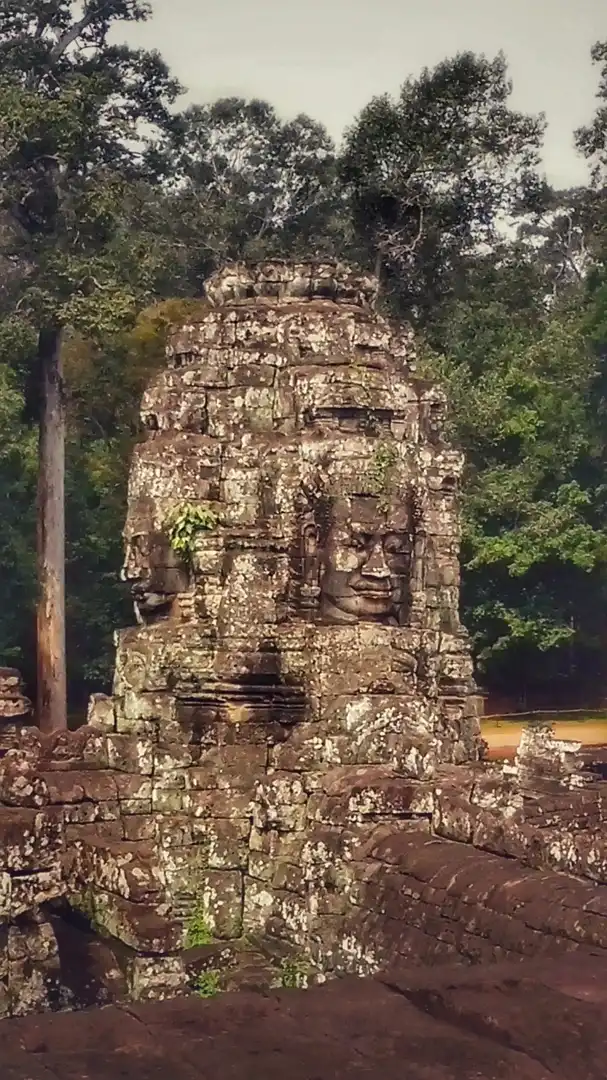
(cc by) Zaldy Fabia
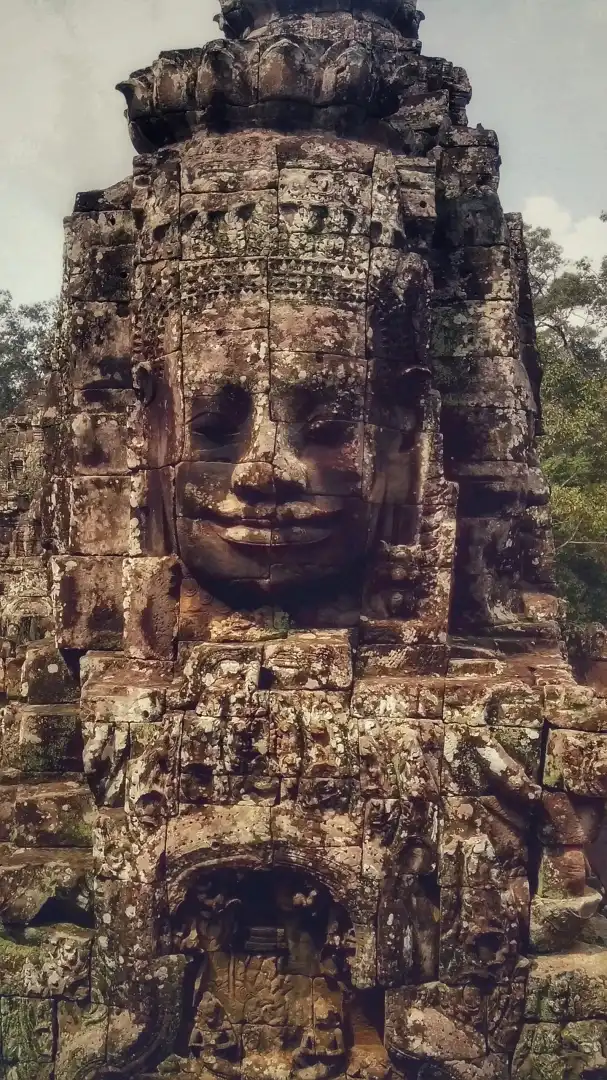
(cc by) Zaldy Fabia
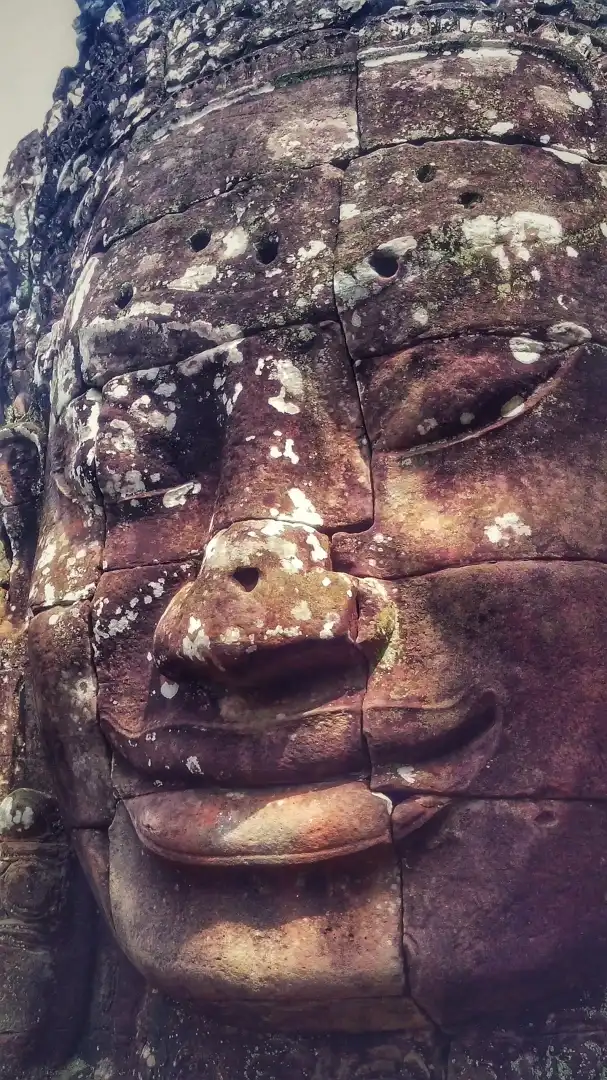
(cc by) Zaldy Fabia
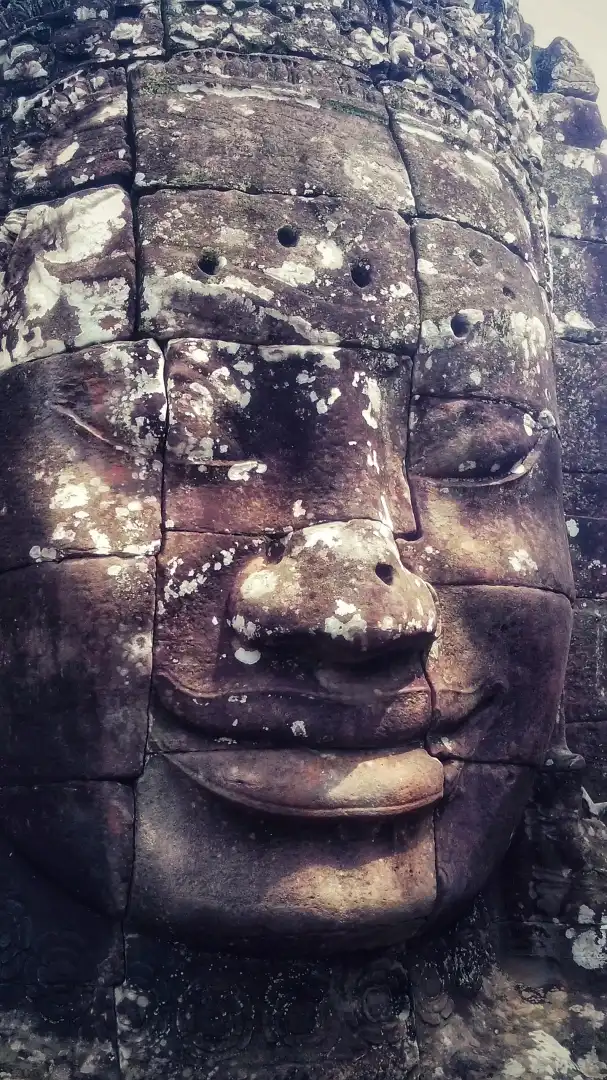
(cc by) Zaldy Fabia
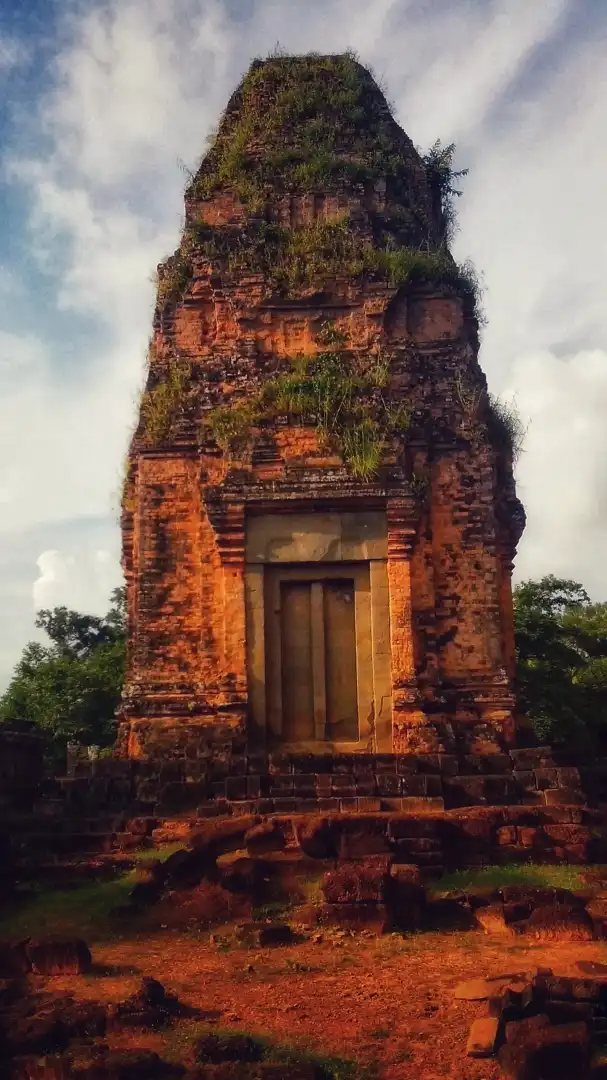
(cc by) Zaldy Fabia

(cc by) Zaldy Fabia
Entering the temple and walking through its hallways, one can't stop and be mesmerized by the richness of the ancient Khmer culture captured within.
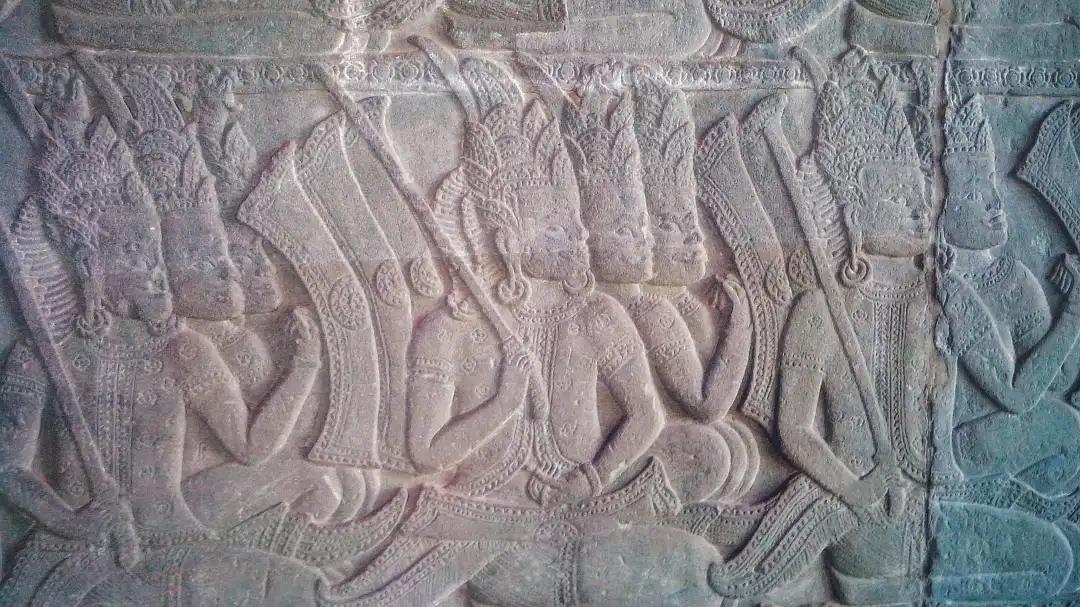
(cc by) Zaldy Fabia
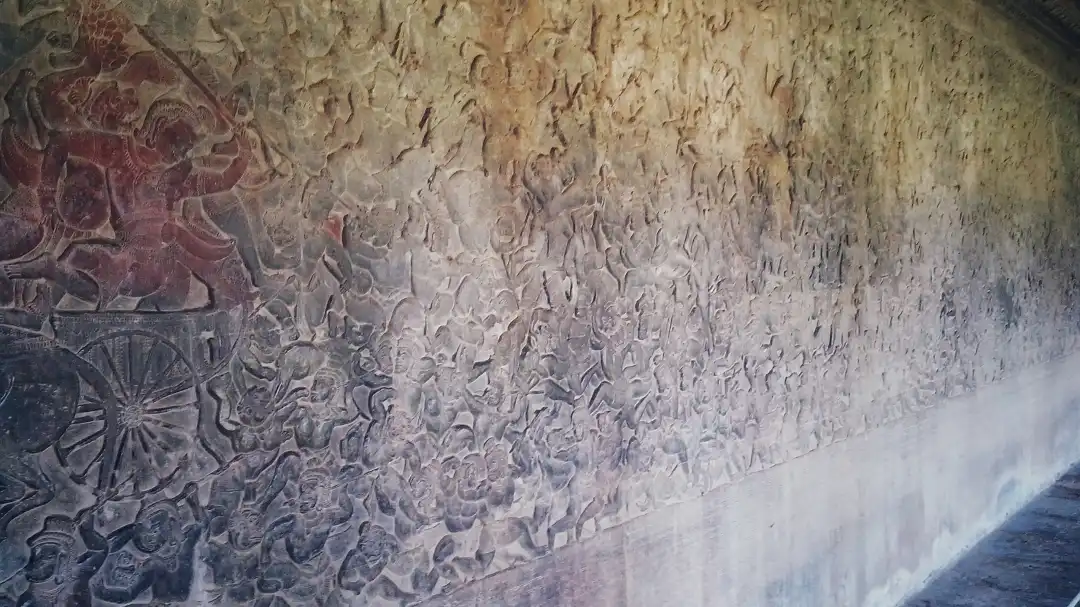
(cc by) Zaldy Fabia
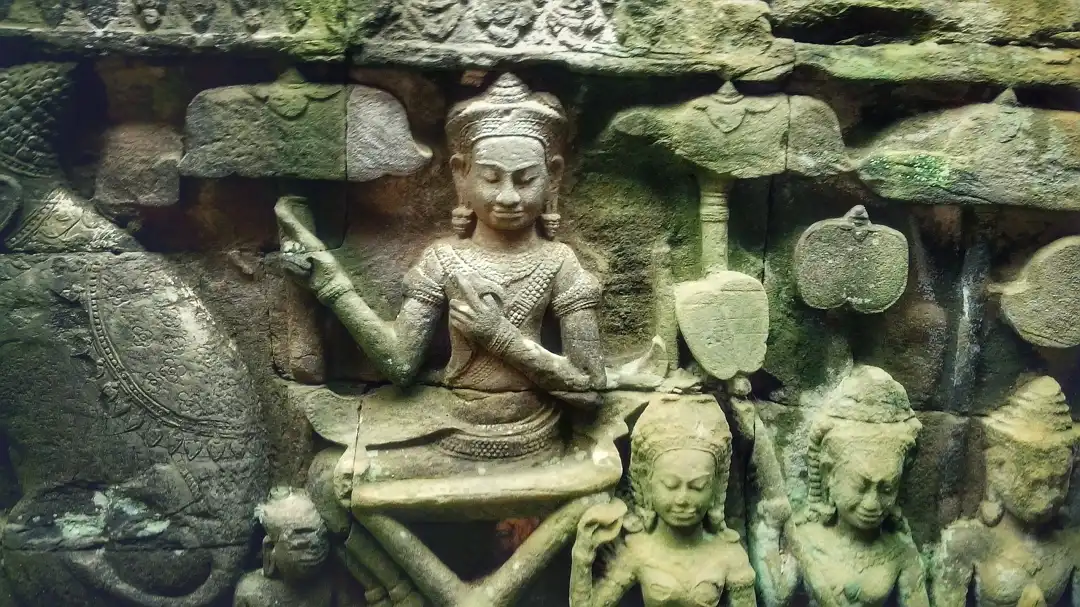
(cc by) Zaldy Fabia
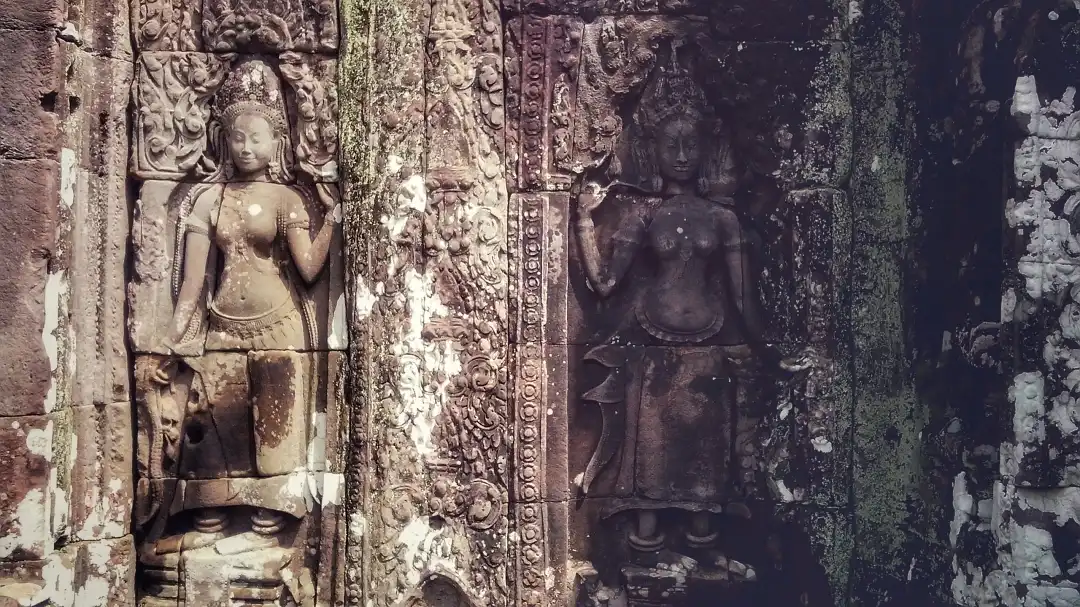
(cc by) Zaldy Fabia
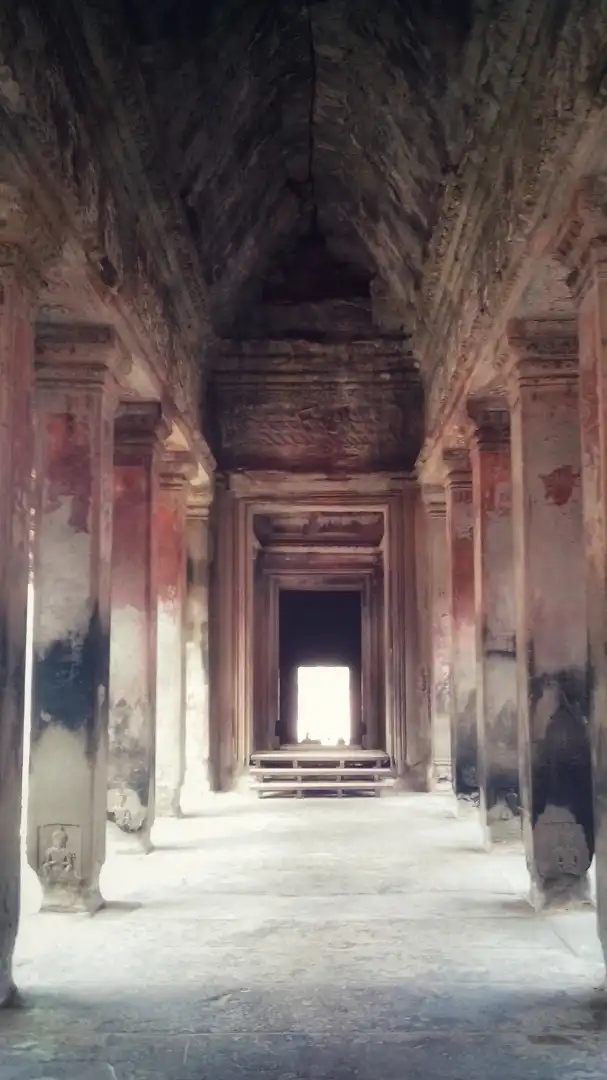
(cc by) Zaldy Fabia
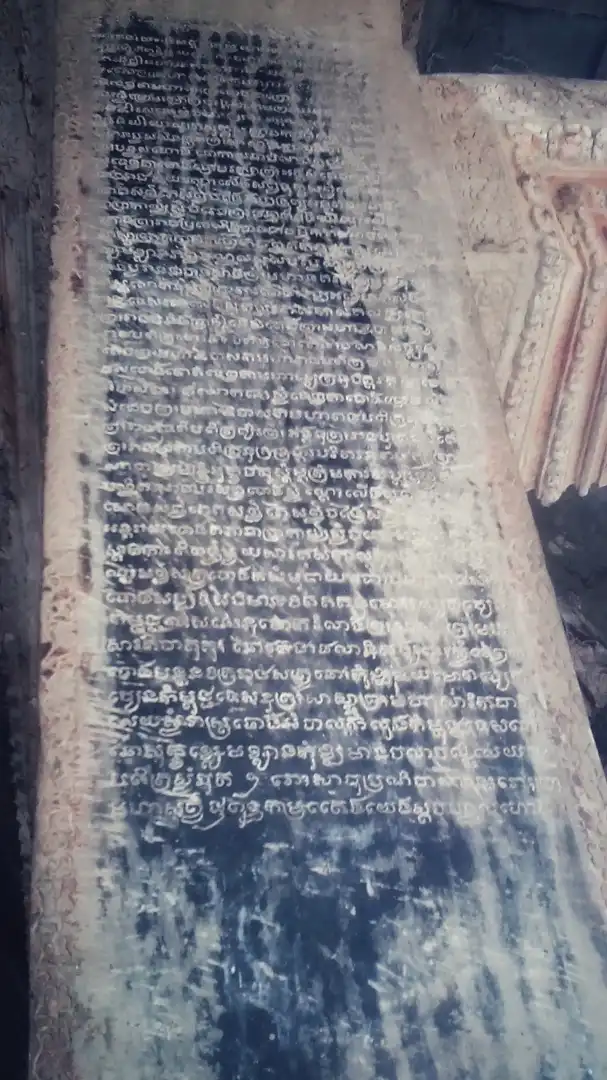
(cc by) Zaldy Fabia

(cc by) Zaldy Fabia
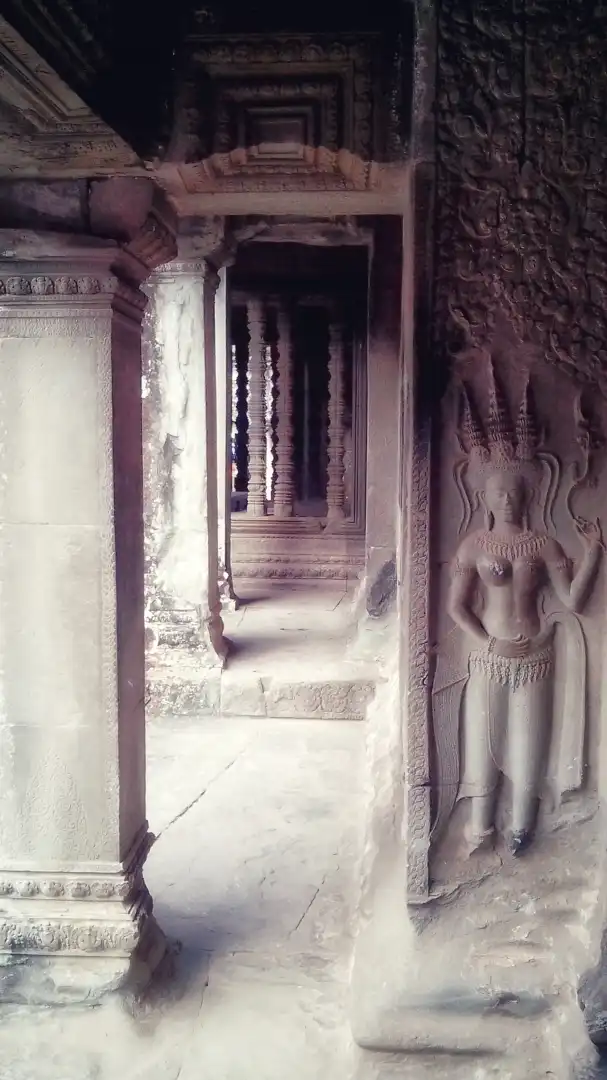
(cc by) Zaldy Fabia
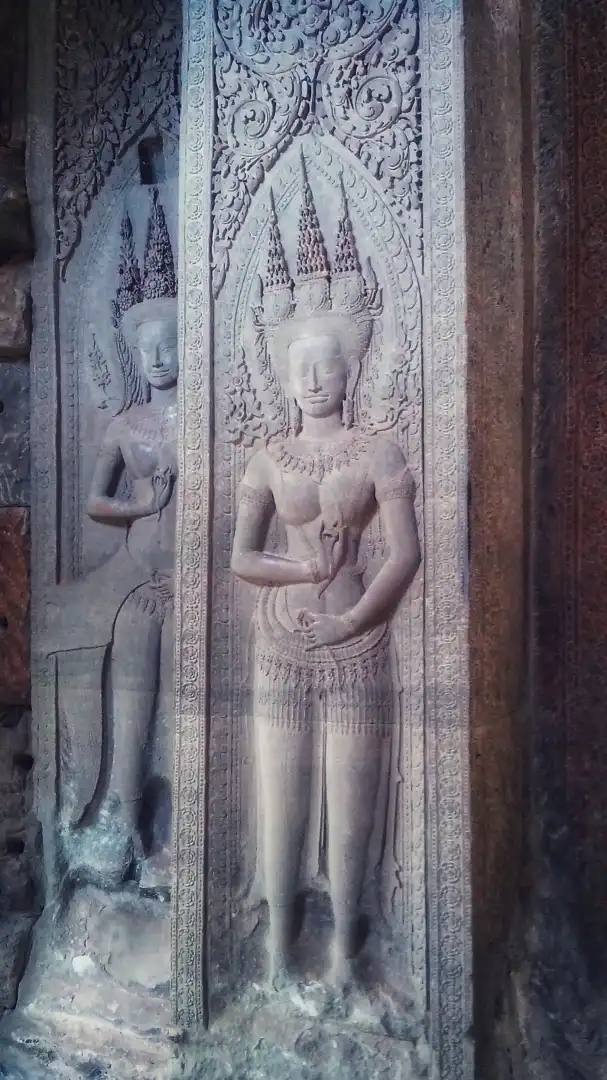
(cc by) Zaldy Fabia
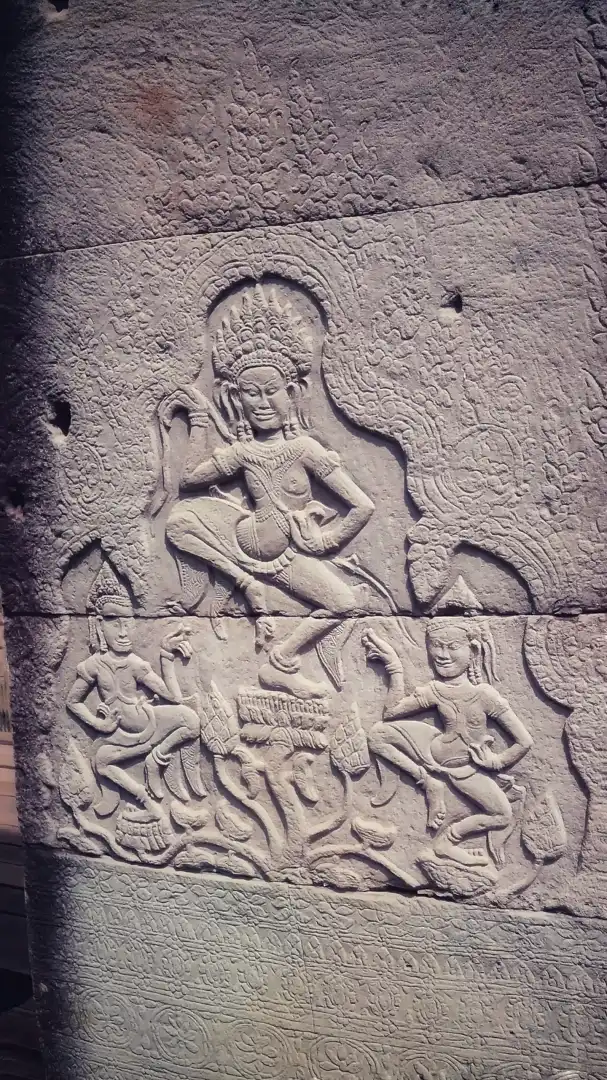
(cc by) Zaldy Fabia
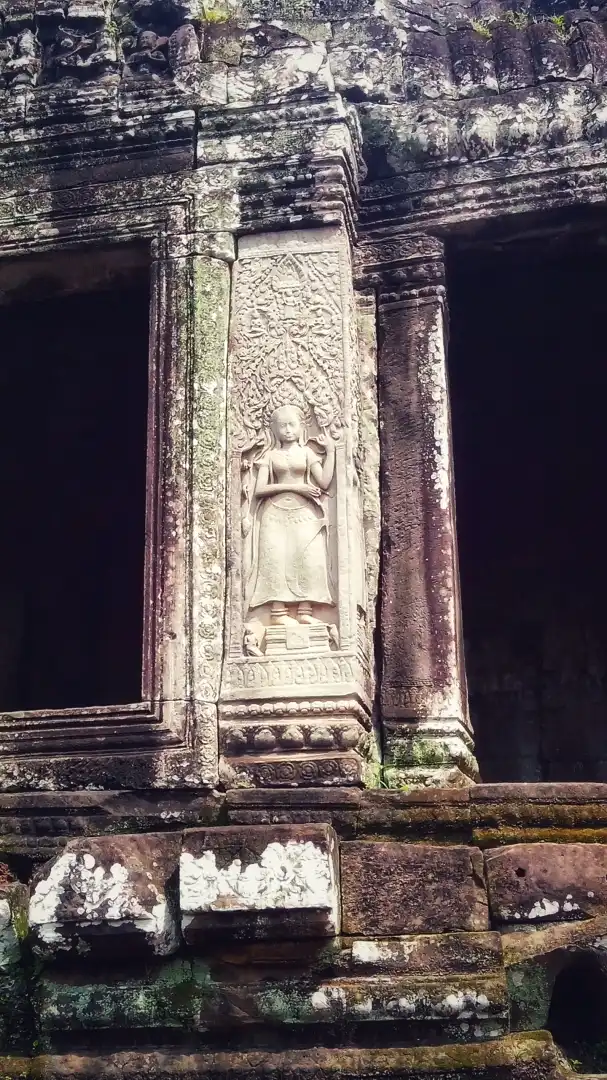
(cc by) Zaldy Fabia
Looking up from the temple grounds, one can see these creations.
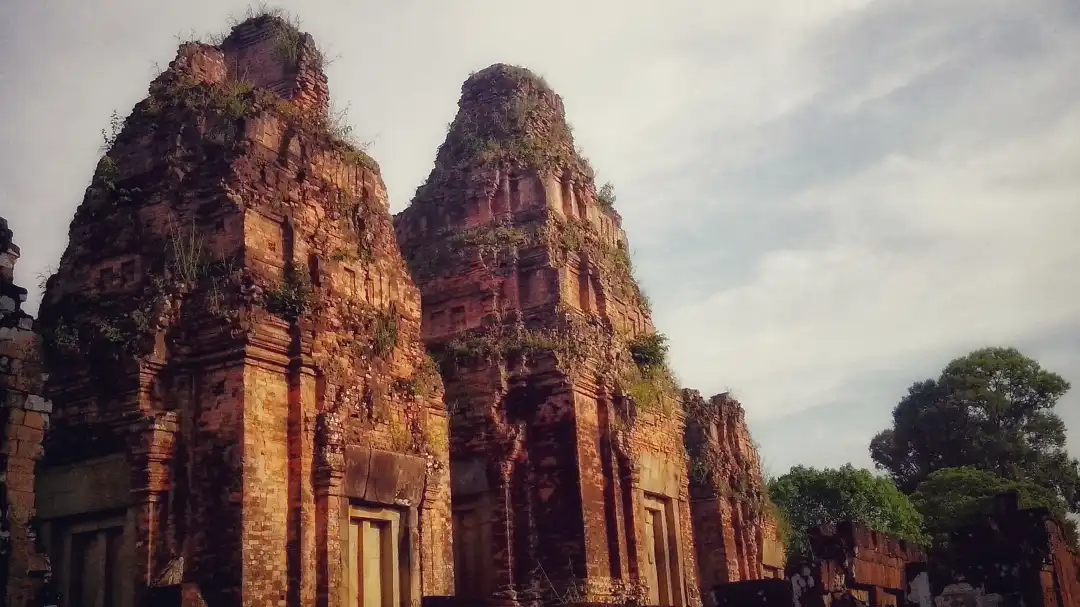
(cc by) Zaldy Fabia
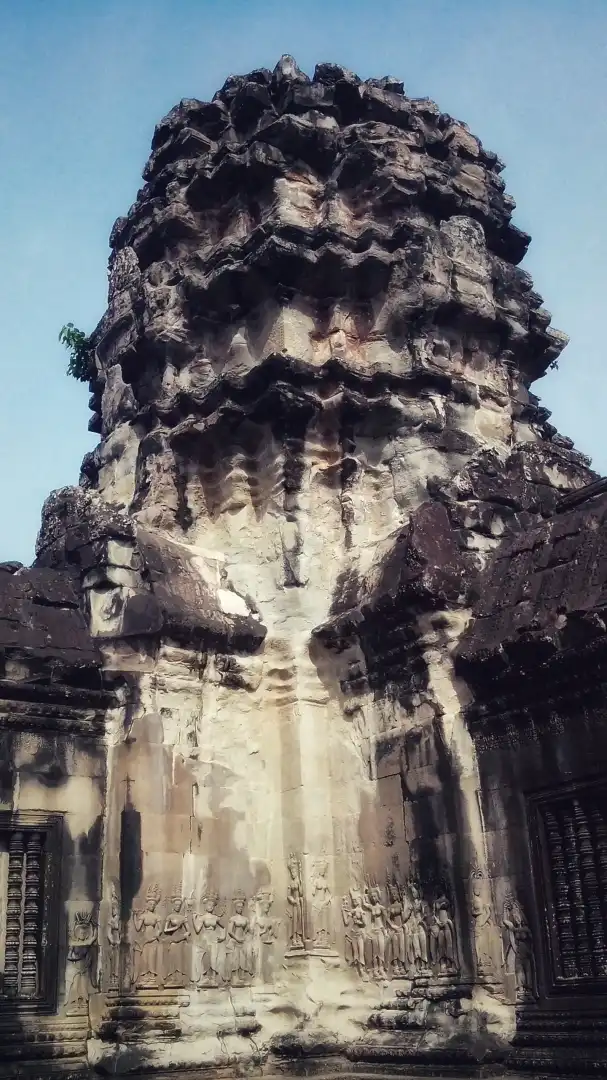
(cc by) Zaldy Fabia
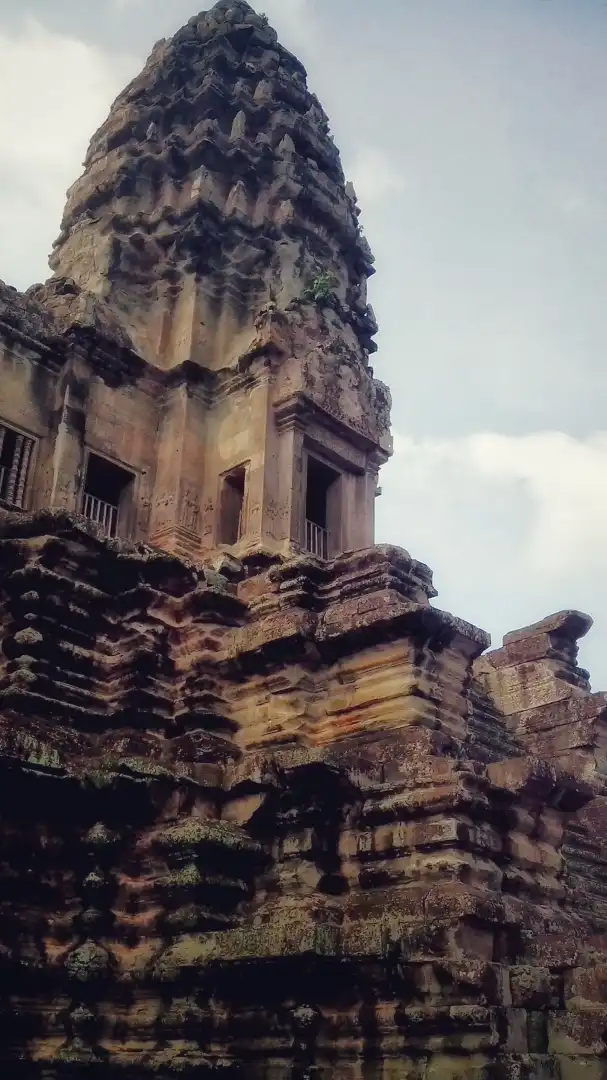
(cc by) Zaldy Fabia
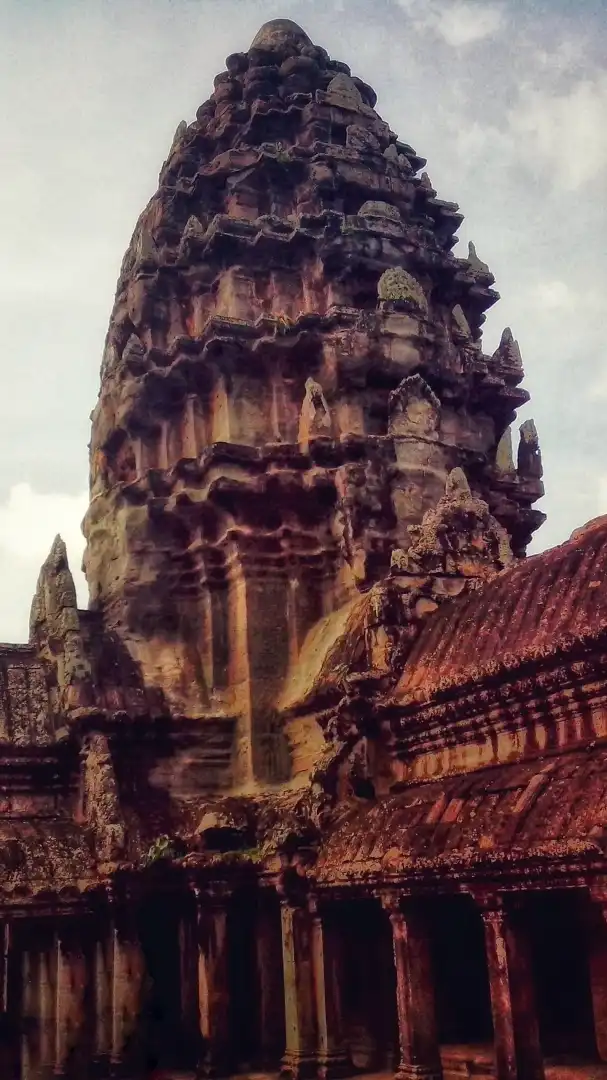
(cc by) Zaldy Fabia
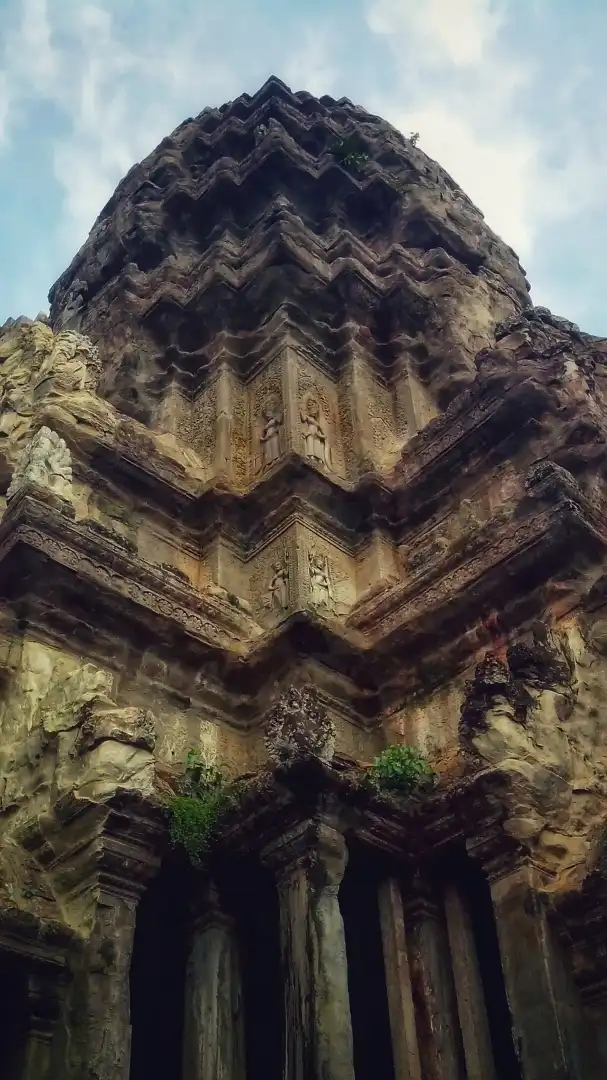
(cc by) Zaldy Fabia
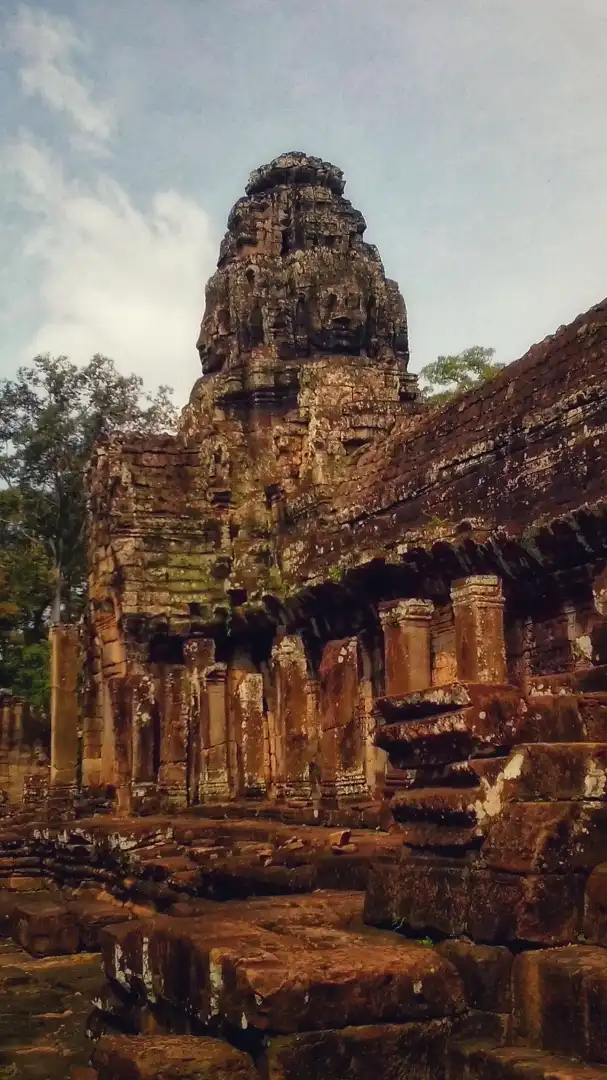
(cc by) Zaldy Fabia
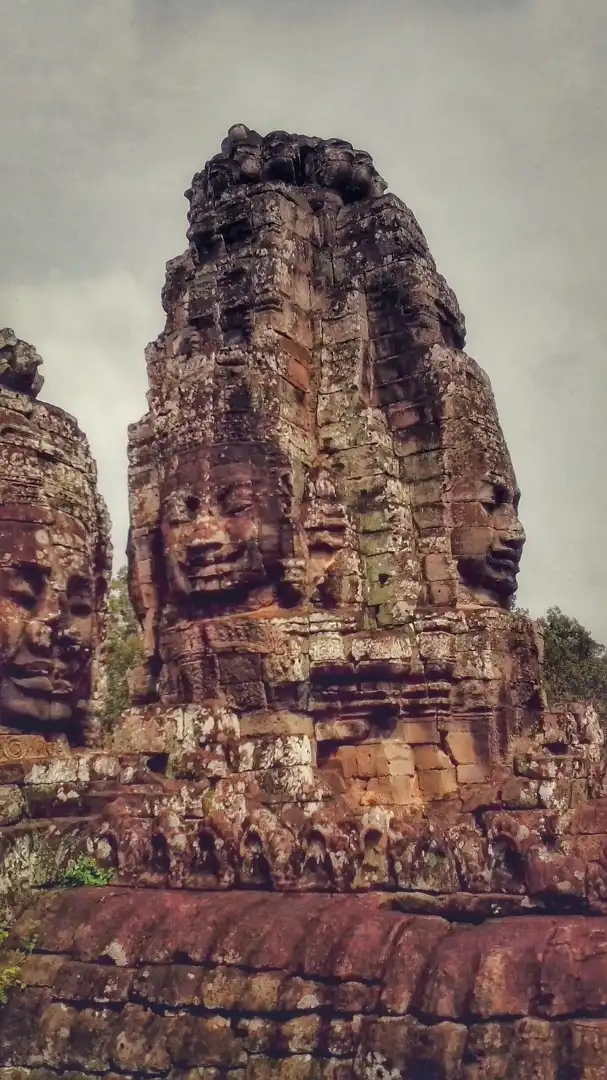
(cc by) Zaldy Fabia
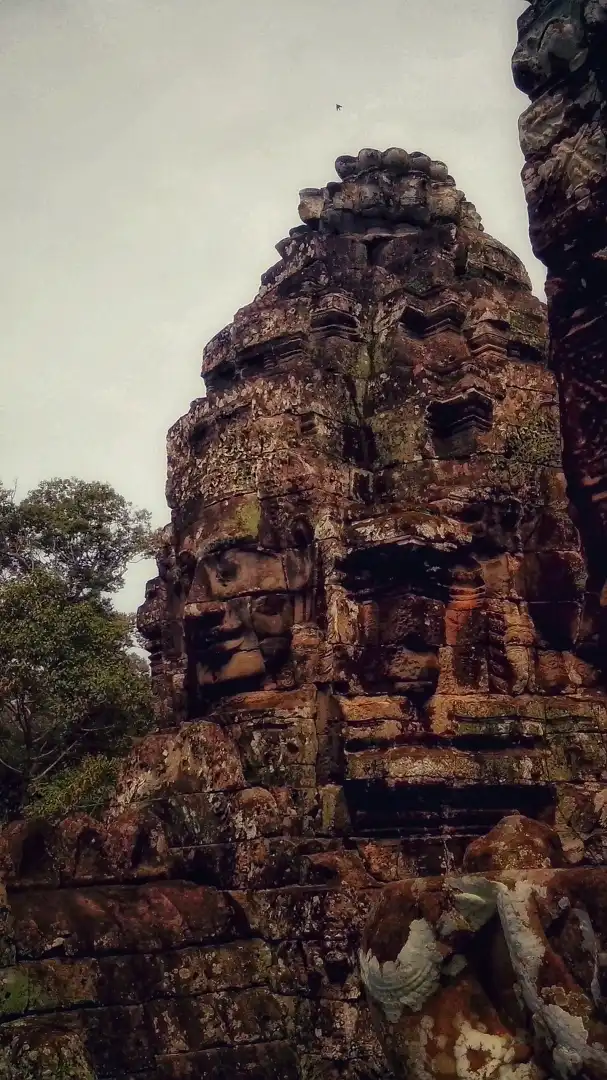
(cc by) Zaldy Fabia
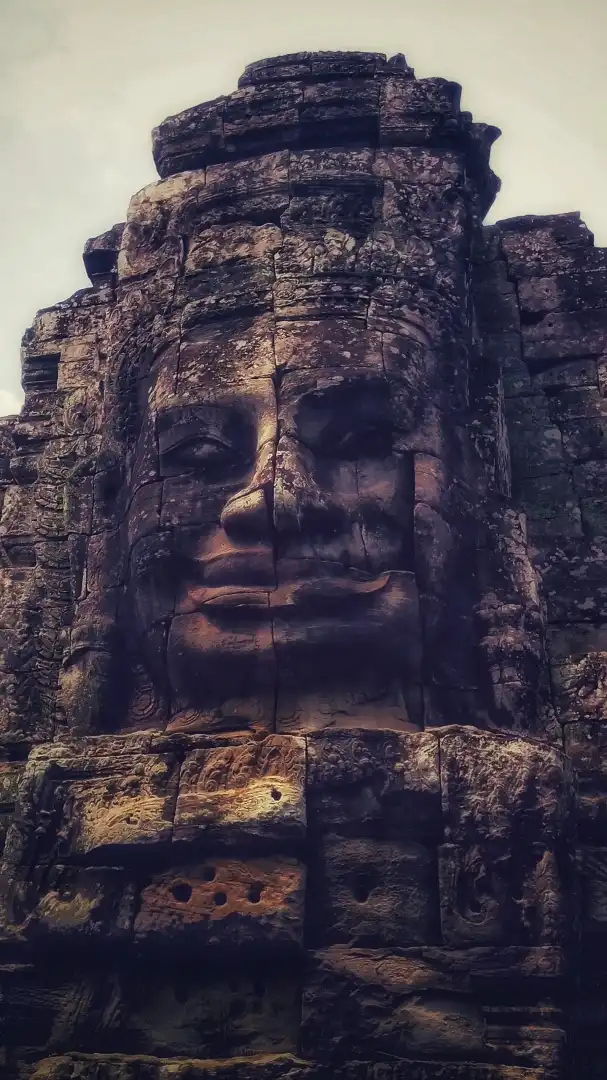
(cc by) Zaldy Fabia
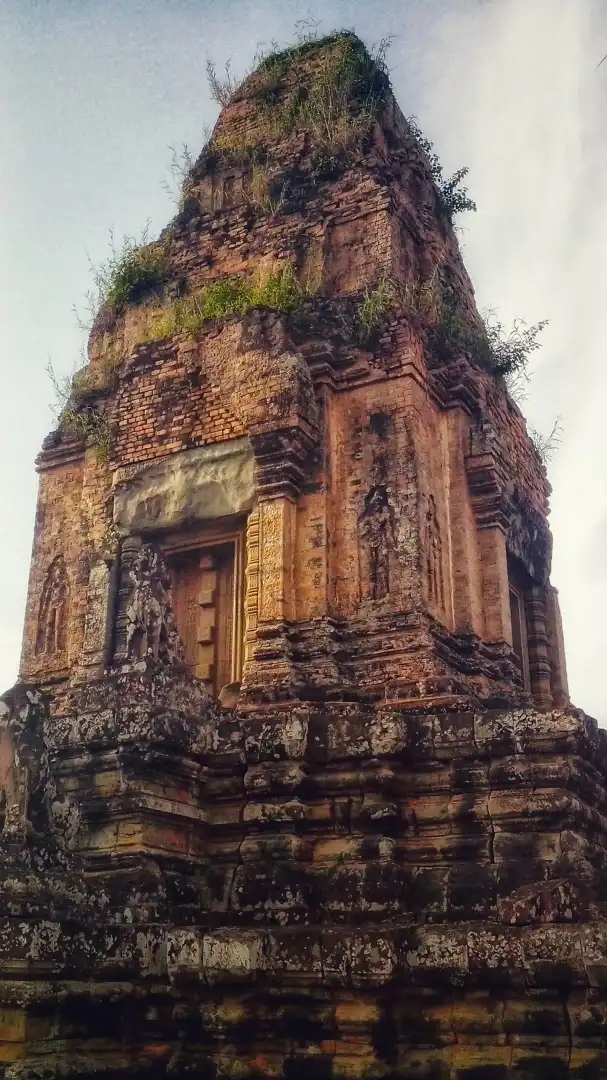
(cc by) Zaldy Fabia
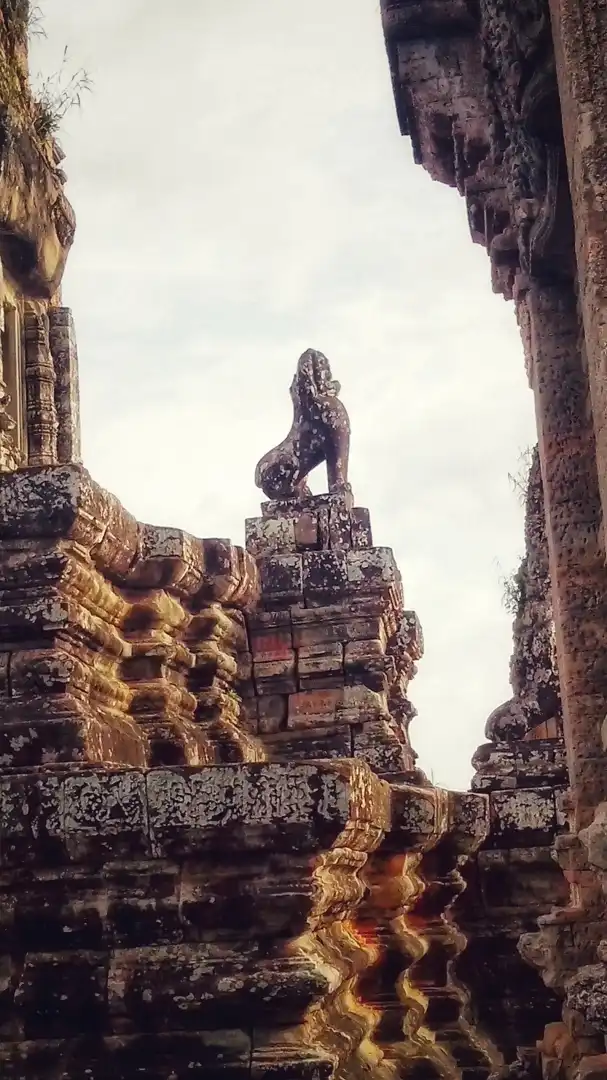
(cc by) Zaldy Fabia
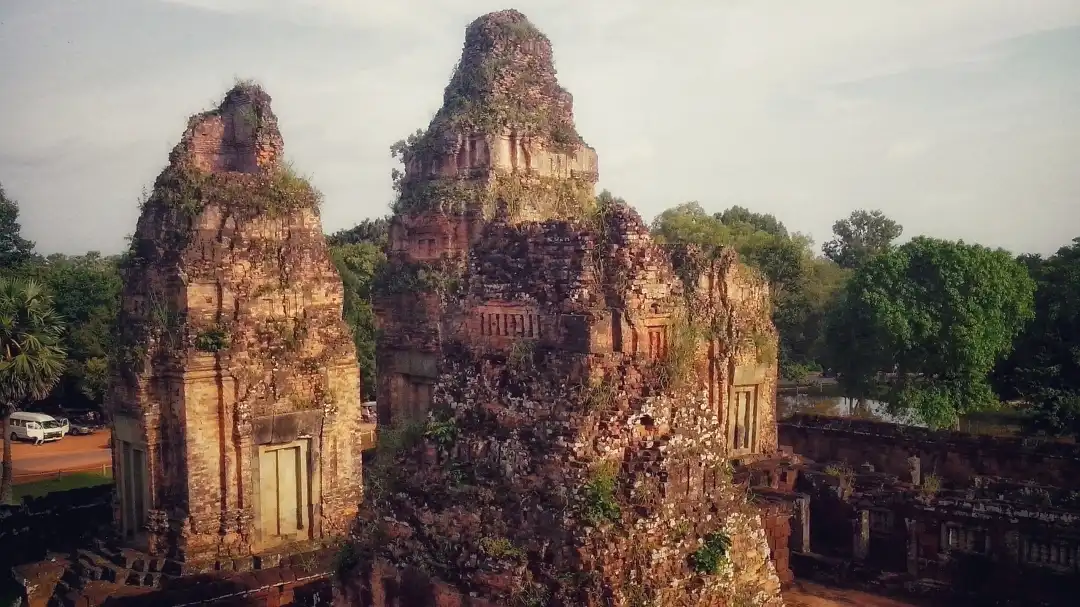
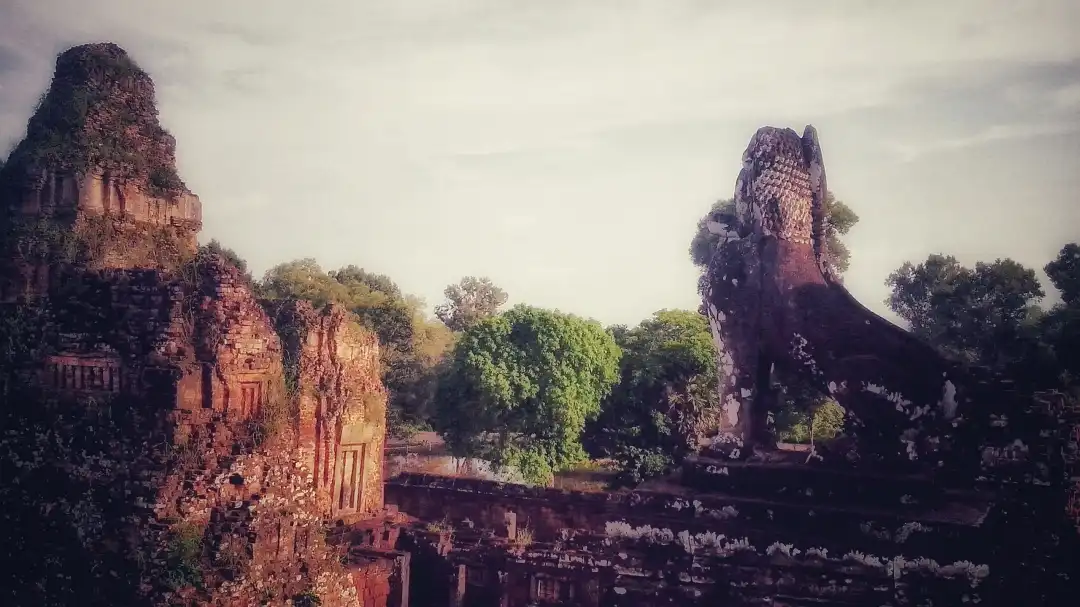
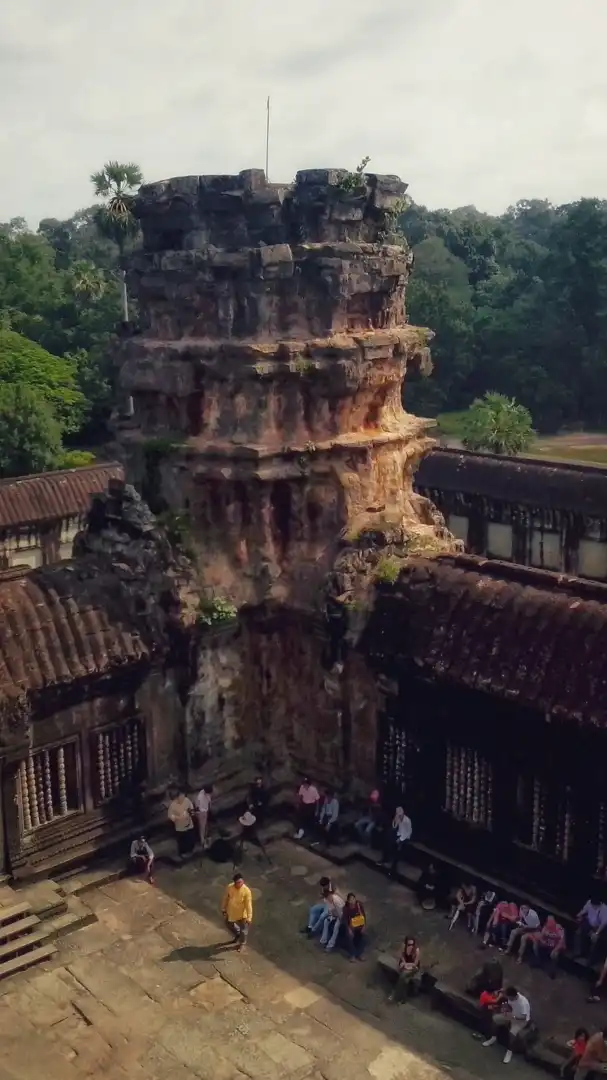
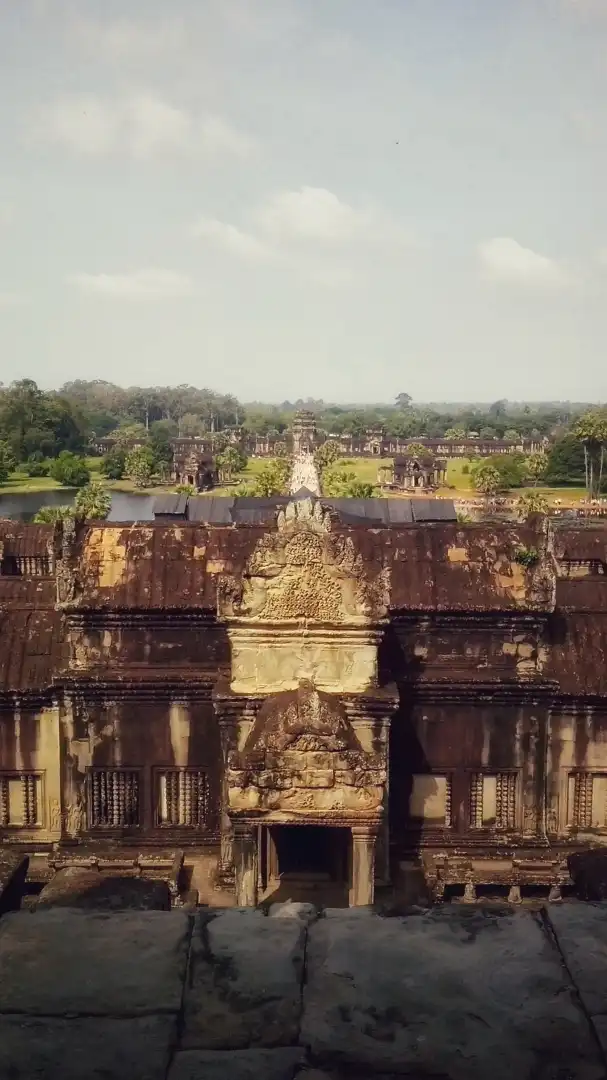
There are staircases that lead to a higher area of Angkor Wat. Climbing one of these, one can have a view of the temple from a higher perspective.

(cc by) Zaldy Fabia
(cc by) Zaldy Fabia
(cc by) Zaldy Fabia
(cc by) Zaldy Fabia
(cc by) Zaldy Fabia
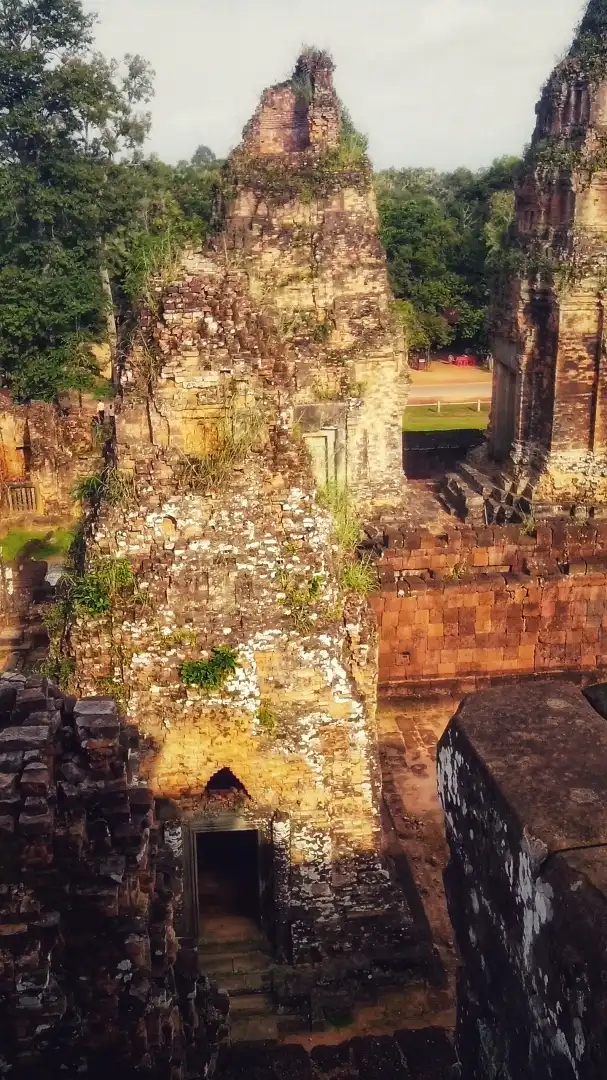
(cc by) Zaldy Fabia
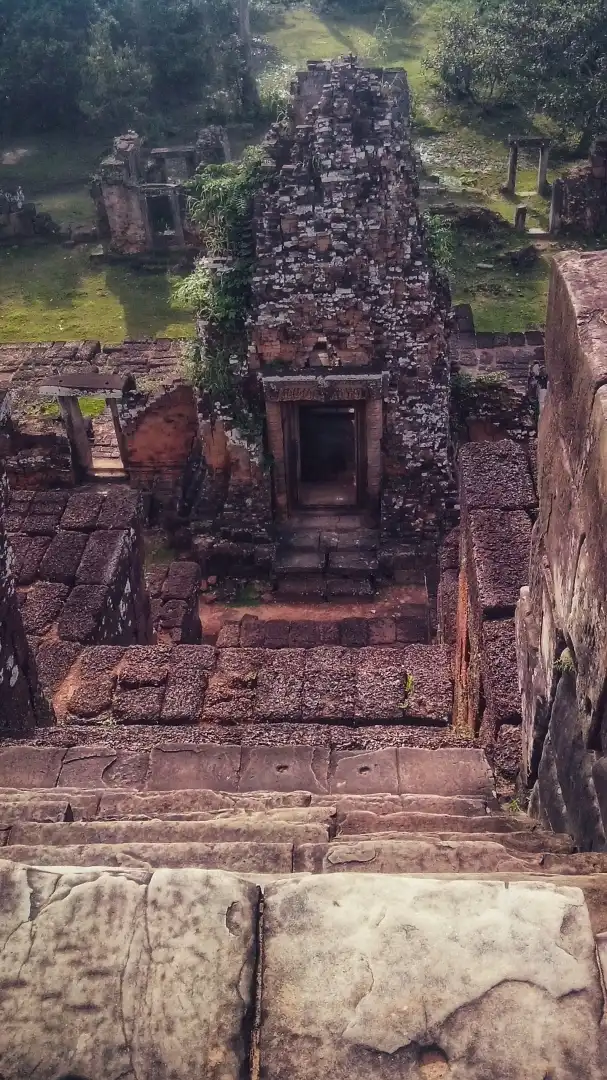
(cc by) Zaldy Fabia
One can also see markers all around that tells that the site is an archeological one. These markers also tell the story of the temple.
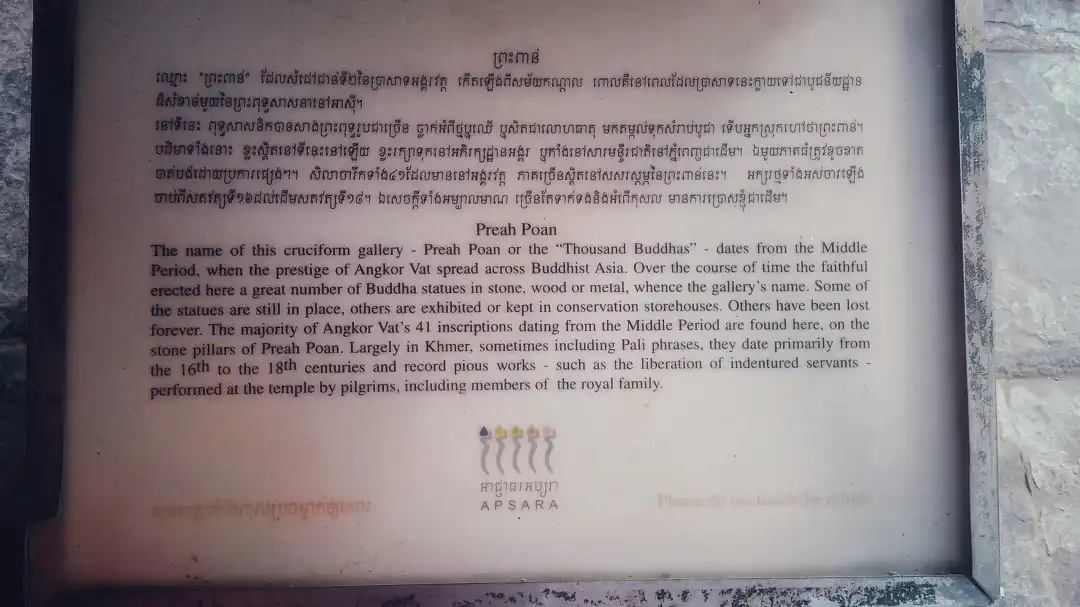
(cc by) Zaldy Fabia
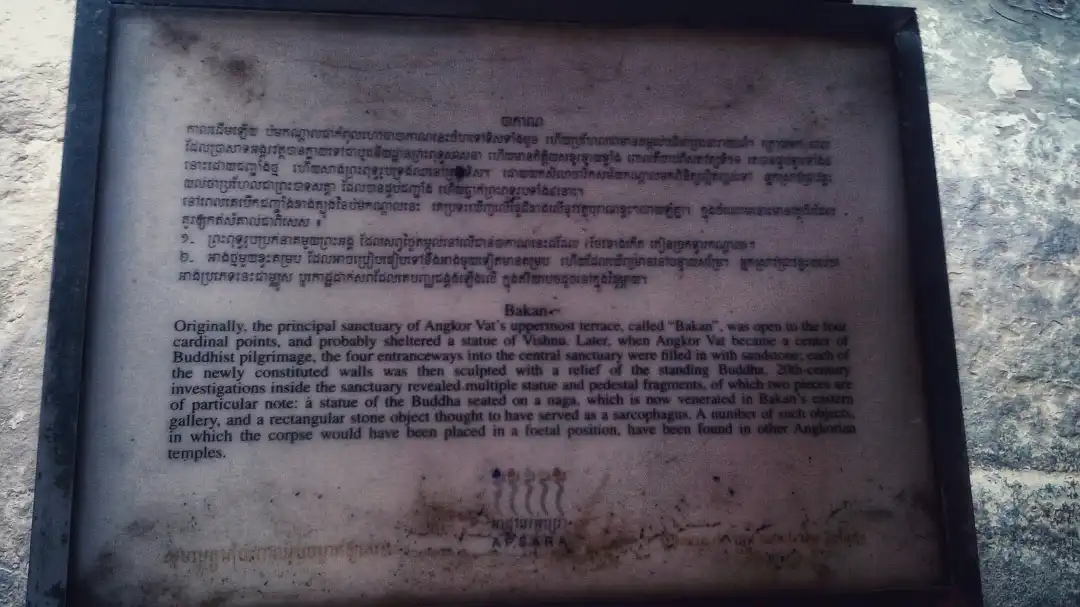
(cc by) Zaldy Fabia
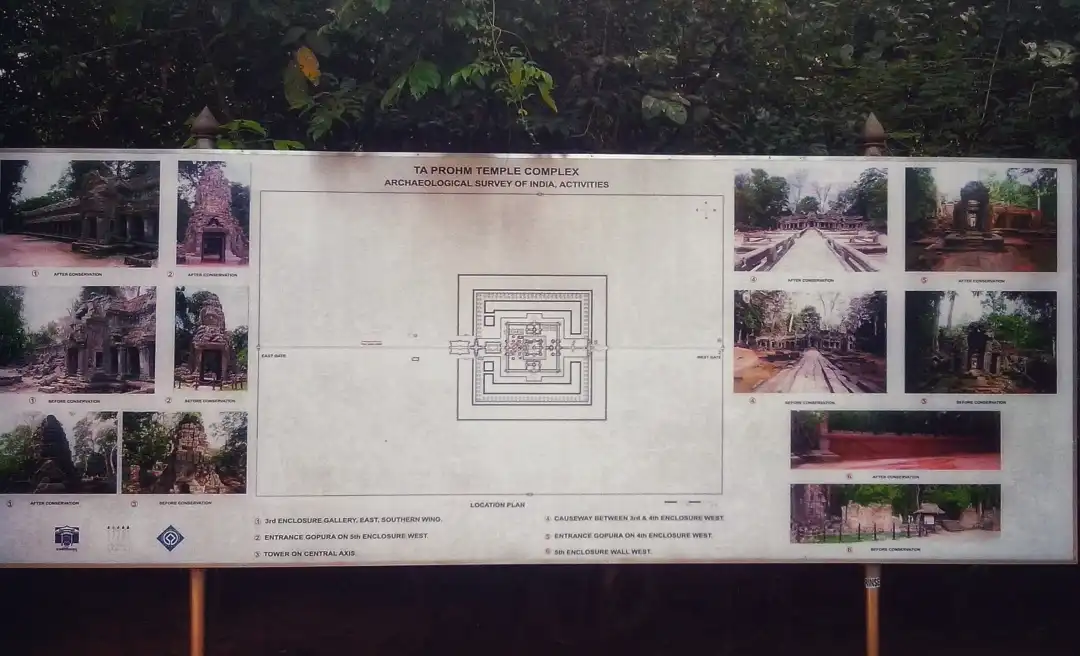
(cc by) Zaldy Fabia
Seeing Angkor Wat in person was something else. After years of only encountering it through pages, screens, and childhood imagination, standing there IRL felt like closing a loop that started decades ago. I had the same feeling when I visited the ancient pyramids of Egypt — but that’s for another journal entry.